This article is about the plumeria and its life in Hawaii. For other tropical flowers of the islands, see our tropical wedding flowers.
Five waxy petals turning like a pinwheel, a heart of sunlight at the center, and a fragrance that drifts across the warm night air. For many who visit Hawaii, the plumeria is the scent they carry home.
Plumeria (pronounced ploo-MEER-ee-uh), also known as frangipani, is a genus of flowering trees and shrubs in the dogbane family, Apocynaceae, native to Mexico, Central America, the Caribbean and northwestern South America.[1] Its fragrant five petaled flowers are among the most recognizable in the tropics.
The plumeria is not native to Hawaii, but since it arrived in the islands around 1860 it has become the flower most people think of when they think of Hawaii, strung into leis, tucked behind ears and planted in gardens on every island.[3] In Hawaiian it is called melia.[4]
Description and biology
Plumerias grow as small trees or large shrubs with thick, succulent branches that fork again and again, and long, leathery leaves clustered at the branch tips. The flowers come in clusters at the ends of the branches; each has five thick, waxy petals that overlap in a spiral like a pinwheel. The most common Hawaiian plumeria, Plumeria rubra, often loses its leaves in the cooler months and blooms most heavily from spring through fall.
The flowers are strongly fragrant, especially at night, yet they produce no nectar. Their scent draws sphinx moths, which visit flower after flower searching for nectar that is not there, carrying pollen as they go.[1] Pollinated flowers form long, paired seed pods that split open to release winged seeds.
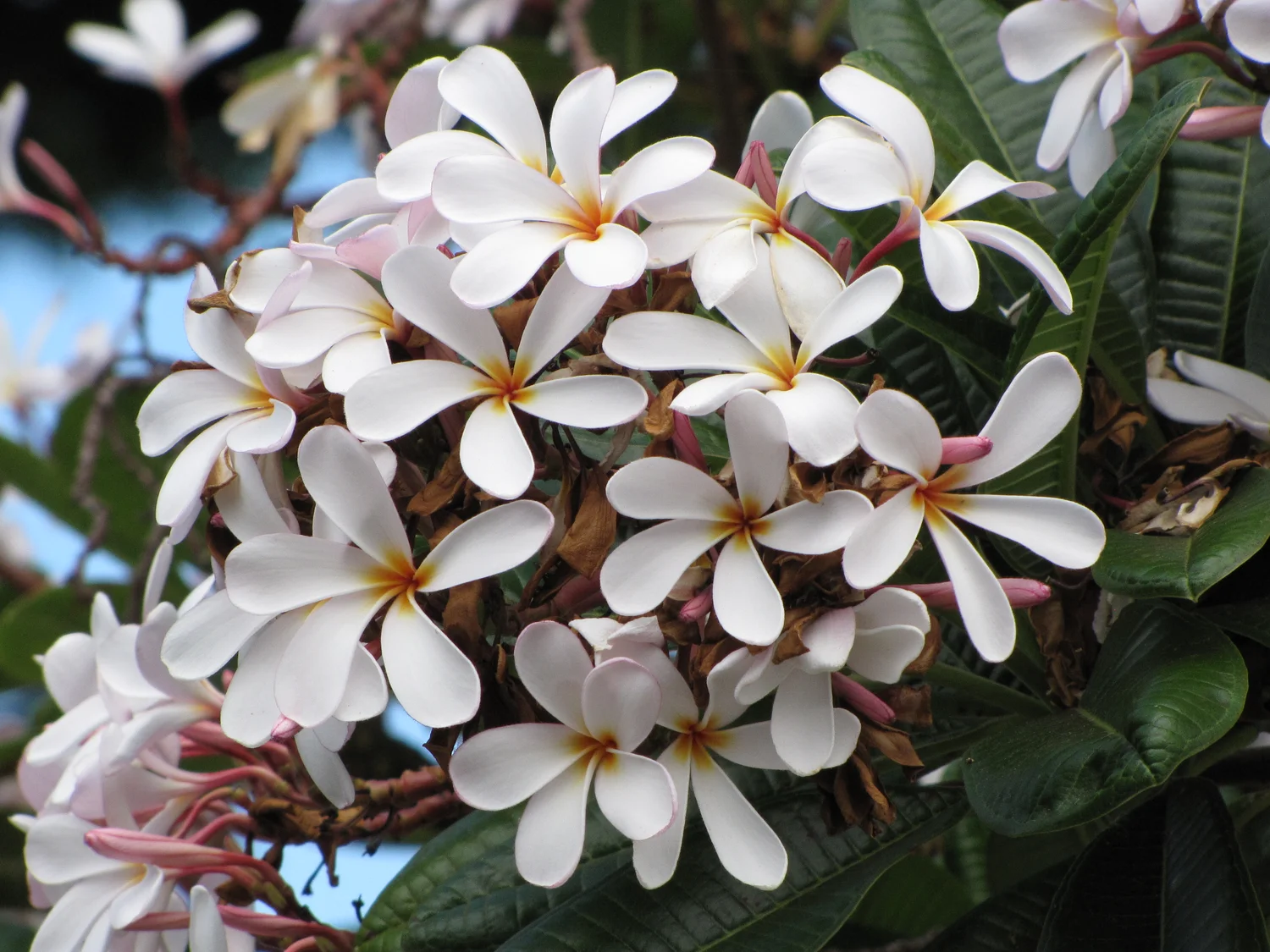
Photo: Forest and Kim Starr, CC BY 3.0 us, via Wikimedia Commons
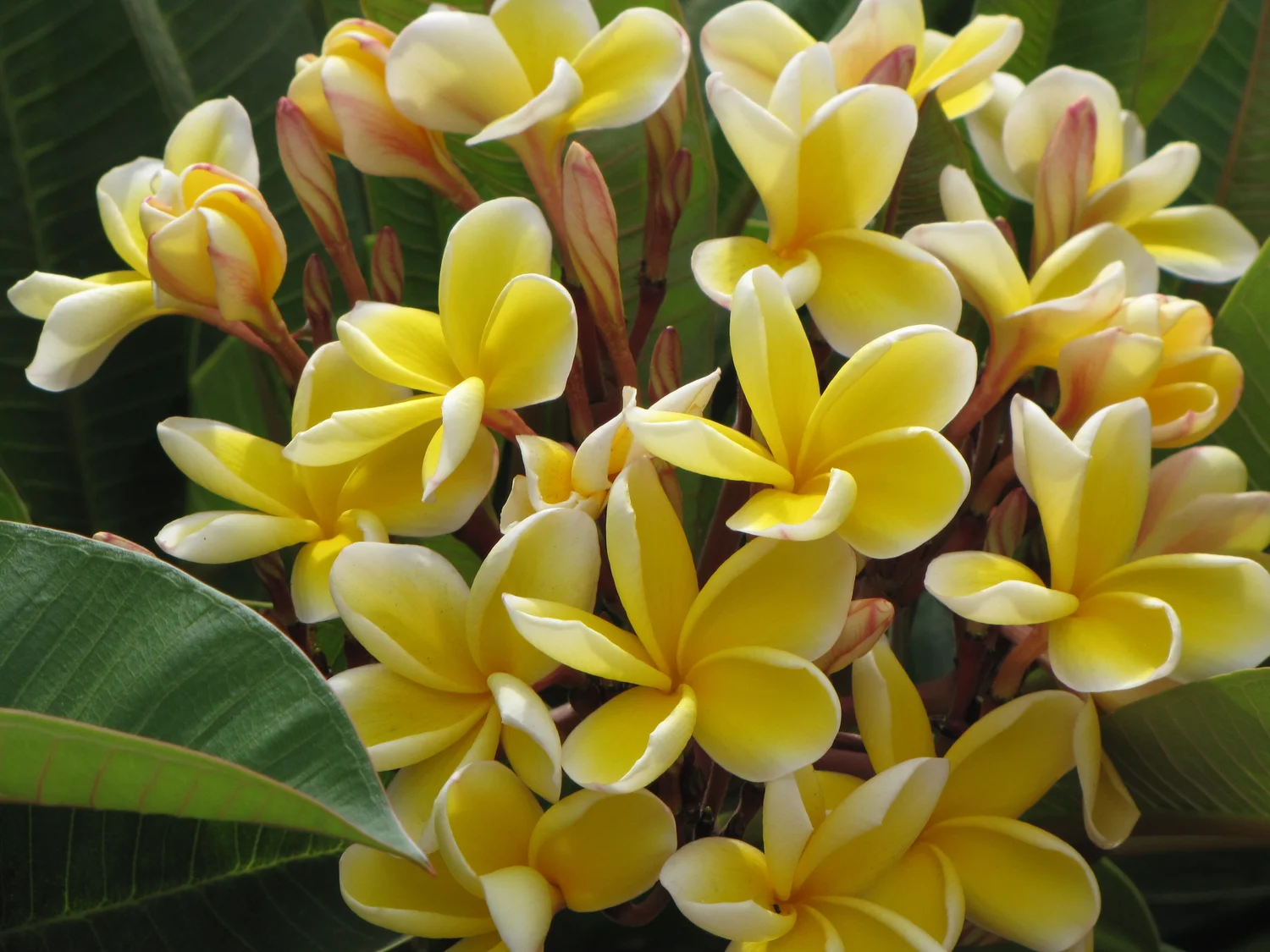
Photo: Forest and Kim Starr, CC BY 3.0 us, via Wikimedia Commons
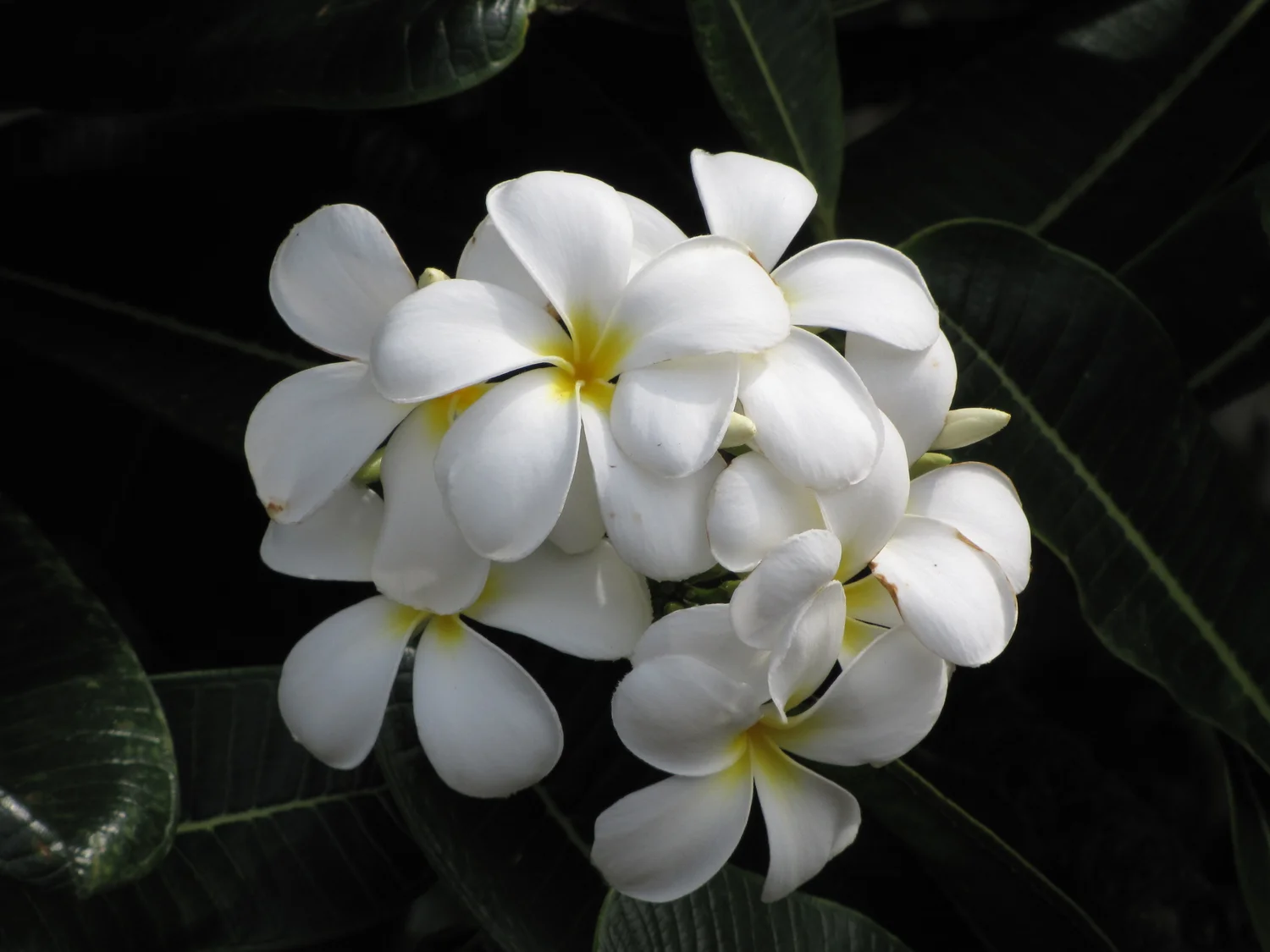
Photo: Forest and Kim Starr, CC BY 3.0 us, via Wikimedia Commons
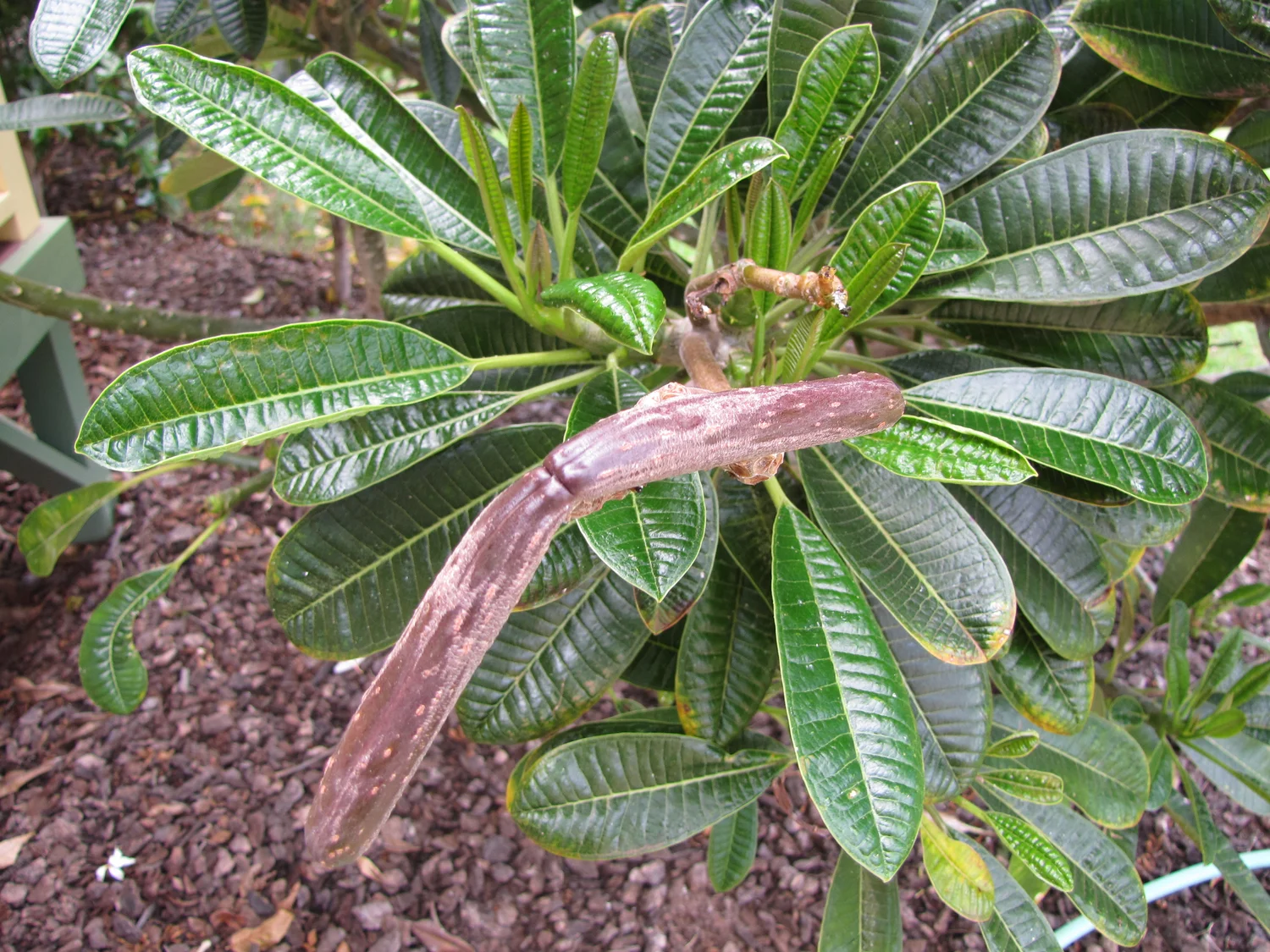
Photo: Forest and Kim Starr, CC BY 3.0 us, via Wikimedia Commons
Etymology
The genus was named in 1700 by the French botanist Joseph Pitton de Tournefort in honor of Charles Plumier, a French botanist who traveled to the New World to describe its plants, and the name was later adopted by Linnaeus.[1] The popular name frangipani is often linked to a tale about an Italian nobleman of that name, but the perfumer who spread the story in 1867 himself called it a “fictitious account.”[1]
Distribution and species
The genus has about 18 accepted species, all native to the American tropics.[1] The three best known, Plumeria rubra, P. obtusa and P. alba, were among the first described. P. rubra, the plumeria of Hawaiian leis, comes in white, yellow, pink, red and many blends, while P. obtusa, with rounded leaves and pure white flowers, keeps its leaves all year. Today plumerias grow throughout the tropics, and P. rubra is the national flower of Laos, where it is called dok champa, and of Nicaragua.[1]
History in Hawaii
The plumeria is credited to the German physician and botanist William Hillebrand, who lived in Honolulu and served as chief physician of The Queen’s Hospital from 1860 to 1871.[2] He is said to have brought the first plumeria to the islands around 1860, a yellow flowered tree.[3] From that beginning plumerias spread to gardens, parks and yards on every island, and growers in Hawaii have since raised many named varieties in every color.
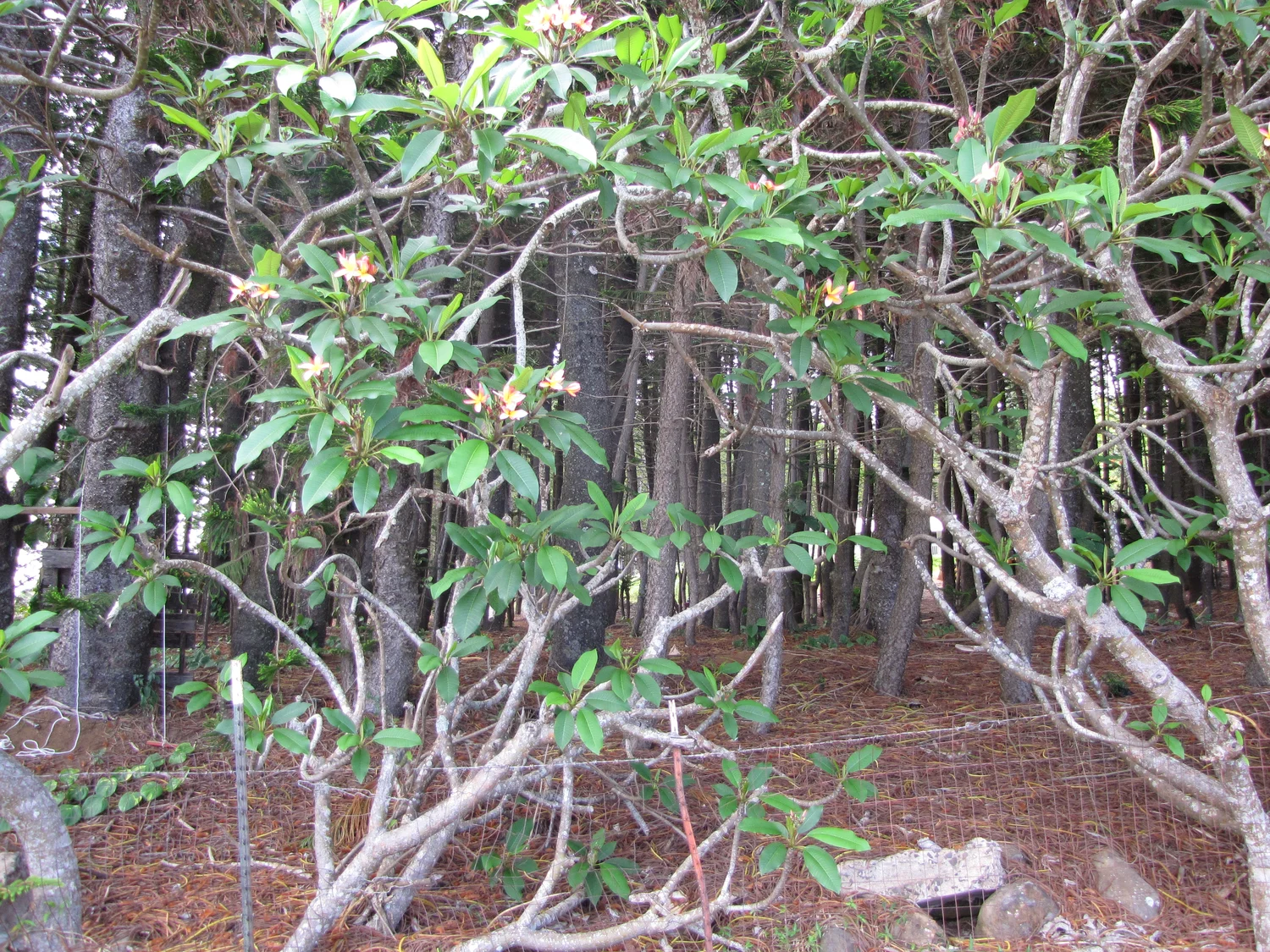
Photo: Forest and Kim Starr, CC BY 3.0 us, via Wikimedia Commons
In Hawaiian culture
The plumeria is the flower of the classic Hawaiian lei. Its sturdy, fragrant blossoms are strung by the hundreds into leis given to welcome visitors, to honor graduates and to celebrate birthdays and weddings, and they are a favorite on Lei Day, celebrated across the islands every May 1.
A plumeria tucked behind the ear has its own island meaning: worn over the right ear it says you are single and available, and over the left ear, closer to the heart, it says you are already taken. On a wedding day, the bride wears hers on the left. Hula dancers wear plumerias in their hair and in haku leis, and the flower appears everywhere in island design, on aloha shirts, quilts and jewelry.
Cultivation and propagation
Plumerias love full sun, warmth and well drained soil, and they are easy to grow from cuttings. A branch tip is cut, left to dry for a while so the end can seal, and then planted in light, fast draining soil; too much moisture causes rot. New varieties are also grafted onto rooted plants.[1] In Hawaii’s climate a young plant can bloom within a few years and keep flowering for decades.
Toxicity
Plumerias have a milky sap that can irritate the eyes and skin,[1] so it is best to wash your hands after cutting branches. The flowers themselves are gentle to wear in leis and hair.
Use in Hawaiian weddings
Plumerias grow everywhere in Hawaii, in gardens, parks and the yards of island homes, and they bloom in every color: white with a sunny yellow center, soft and bright pinks, yellows, reds and rainbow blends. Also known as frangipani, the plumeria is Hawaii’s most loved flower, the one strung into leis and given to guests as they arrive in the islands. The most common kind, Plumeria rubra, is the original from which countless varieties have been grown.
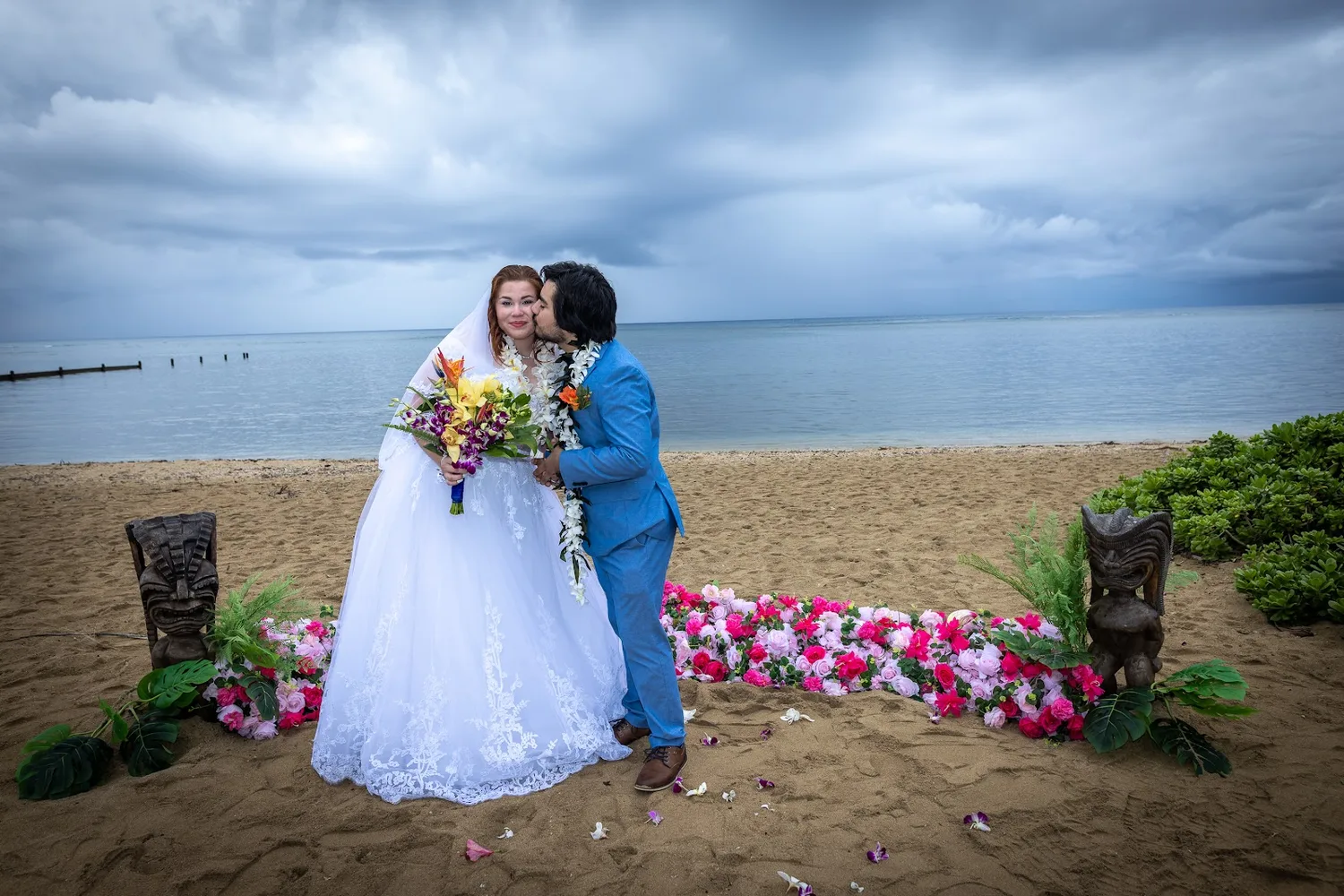
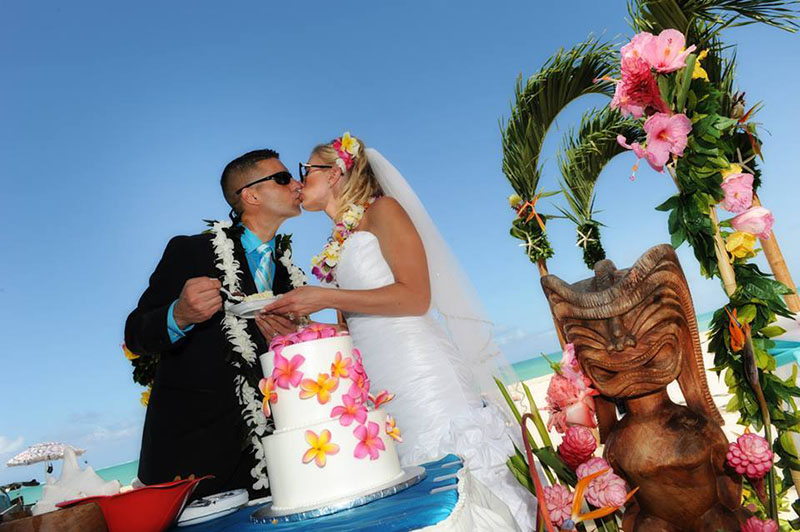
The fragrance of a white plumeria with a yellow center is sweet and unforgettable, the scent many people remember most from Hawaii. That is why plumerias are a perfect addition to an island style wedding. We use them in bouquets, boutonnieres and corsages, in leis and haku leis for the bride and her flower girls, on table arrangements and wedding cakes, and scattered along the sand to make a flower pathway to your arch.
Gallery
Plumeria Bouquets
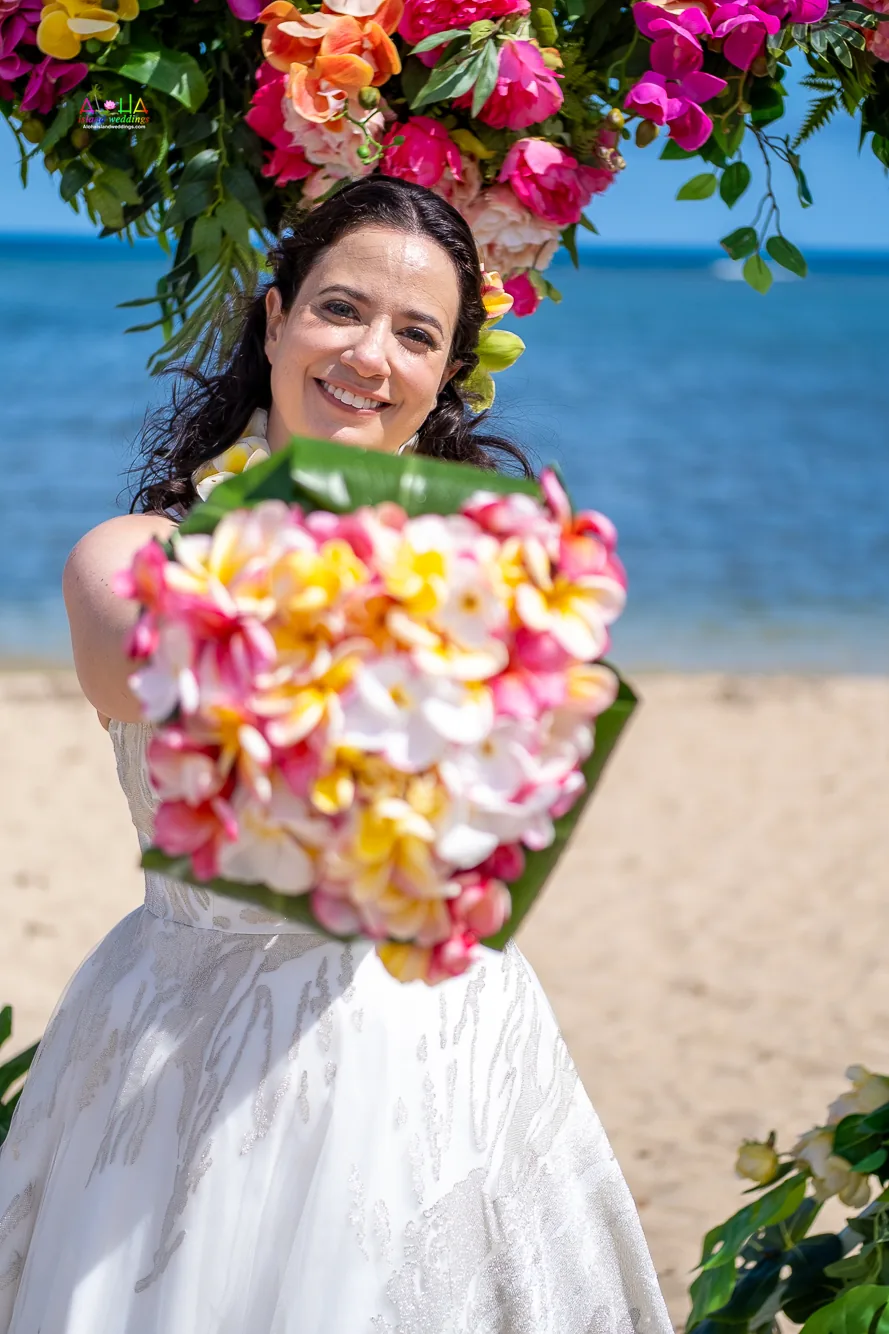
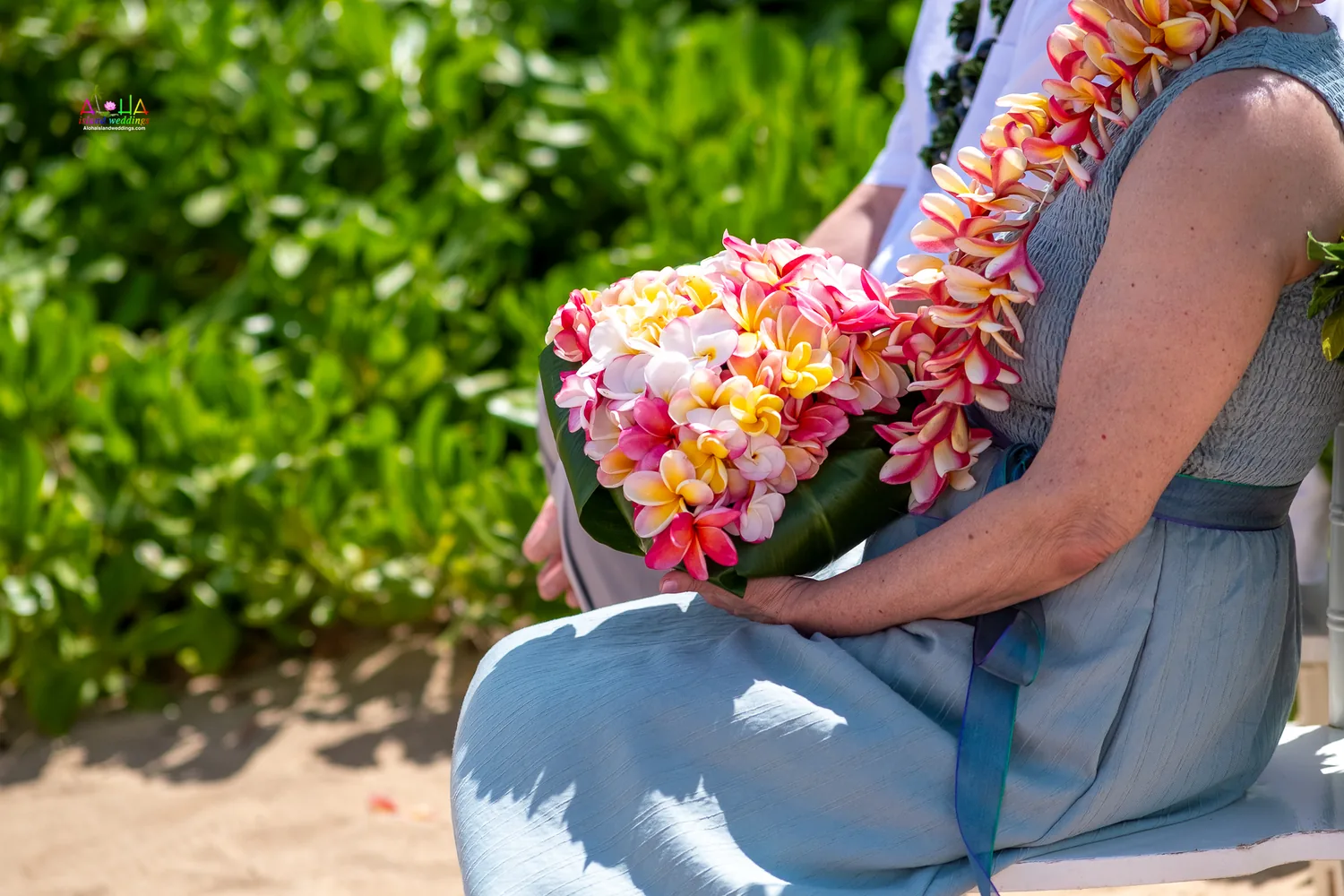
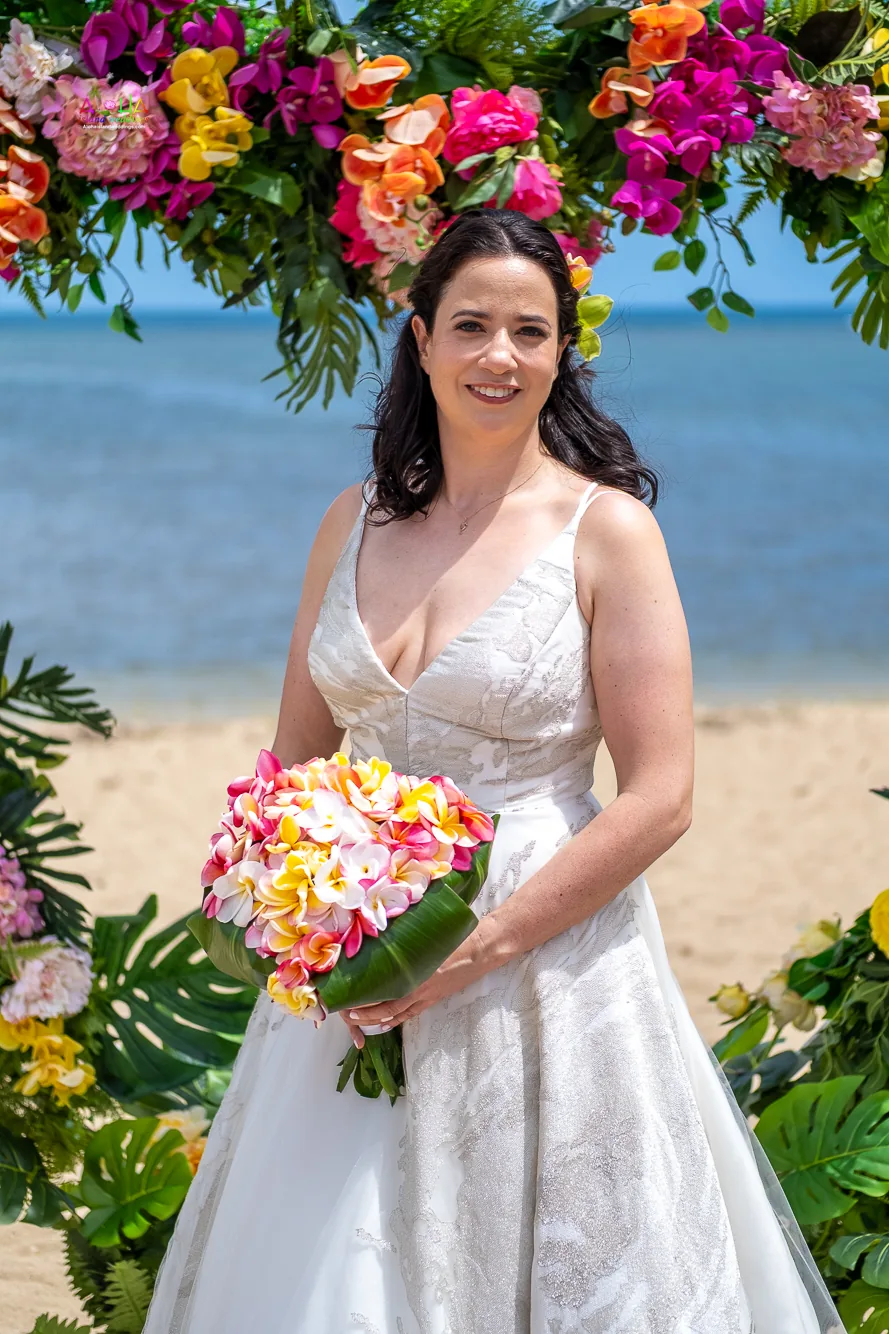
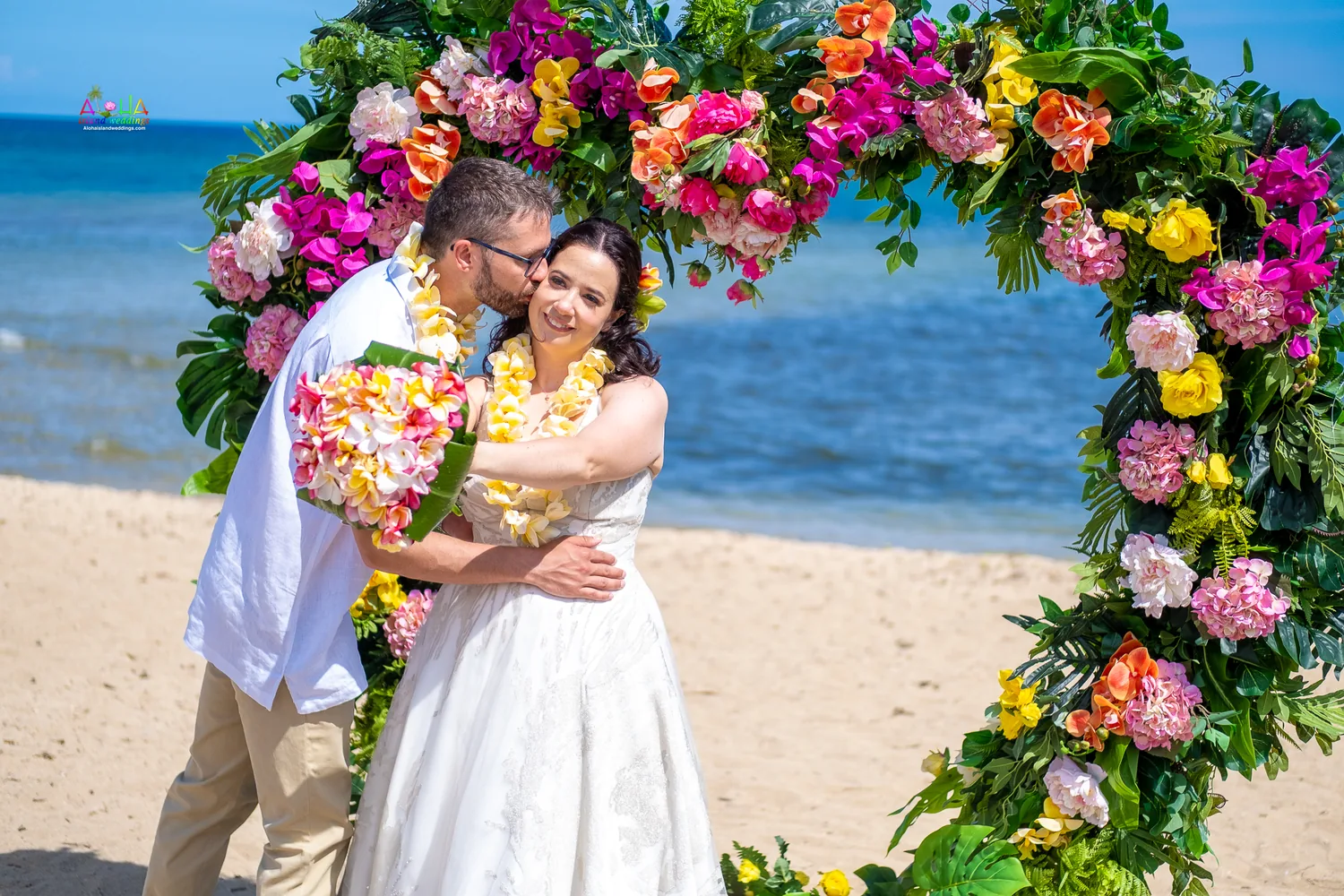
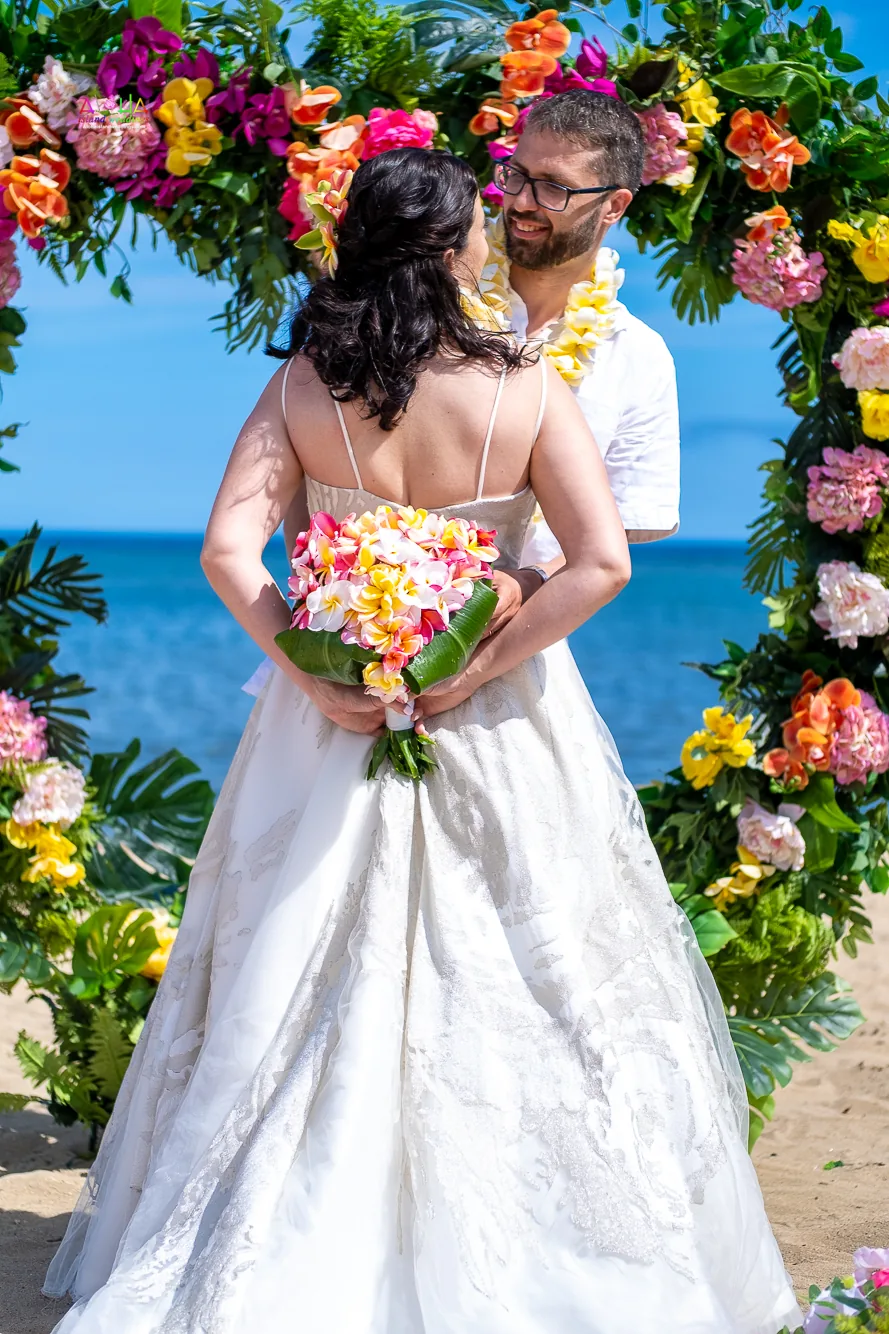
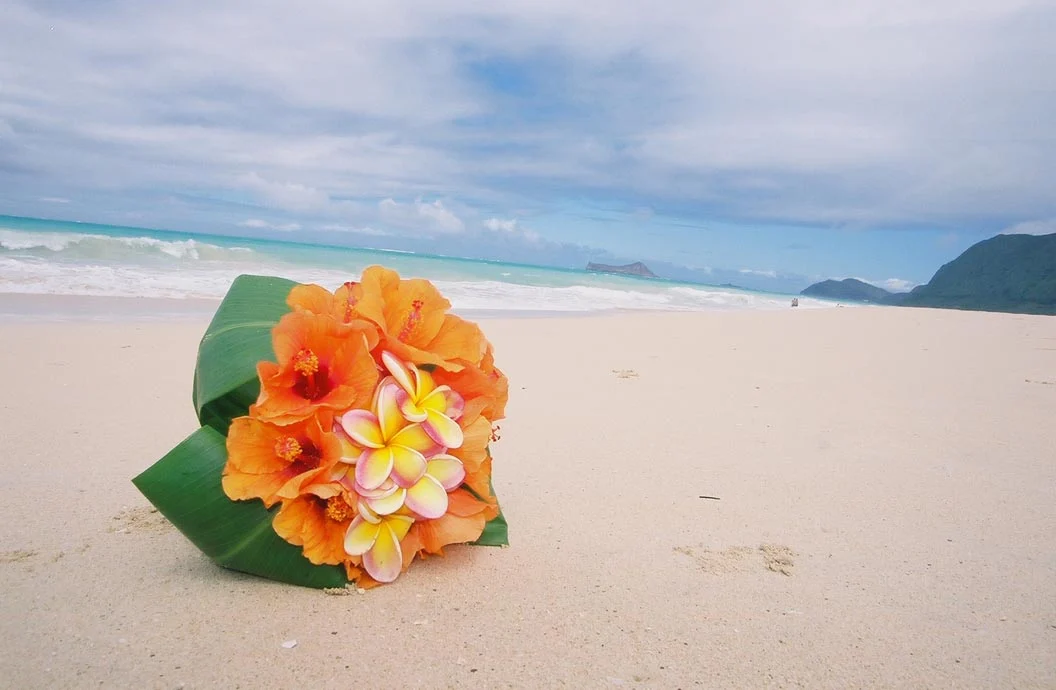
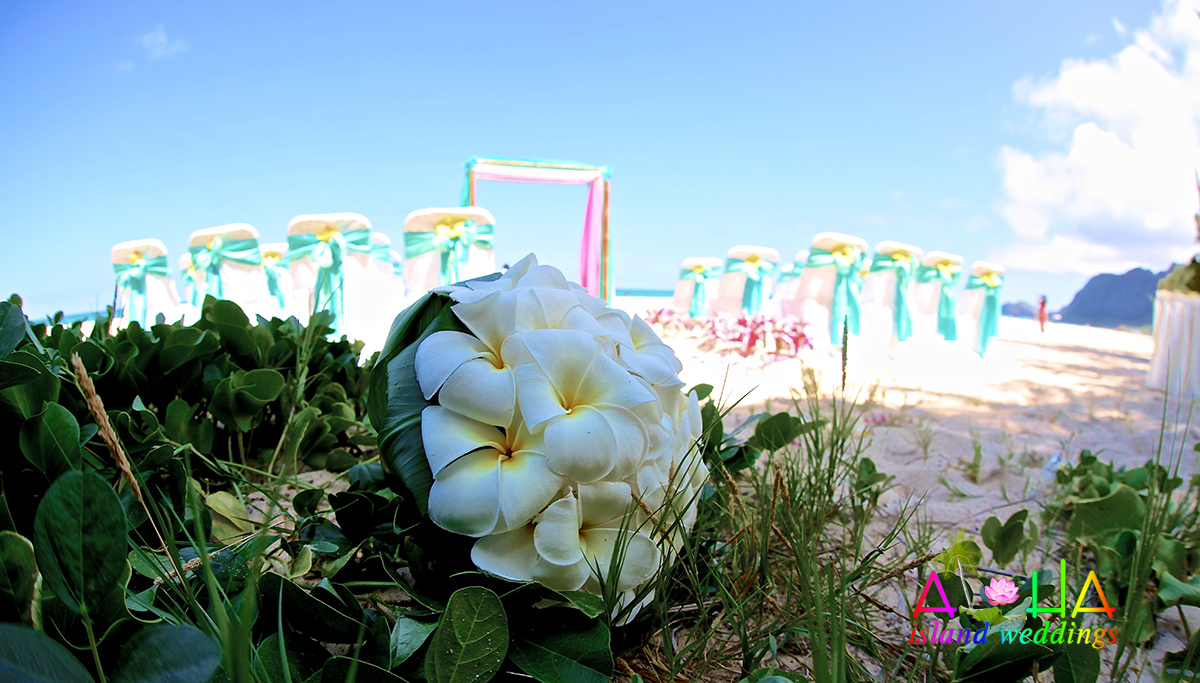
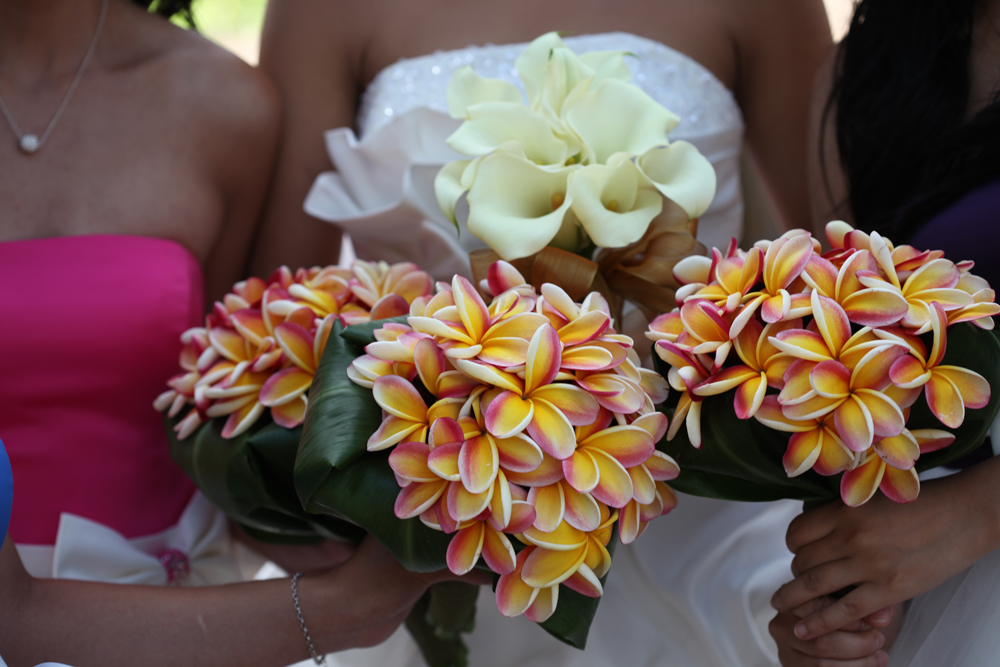
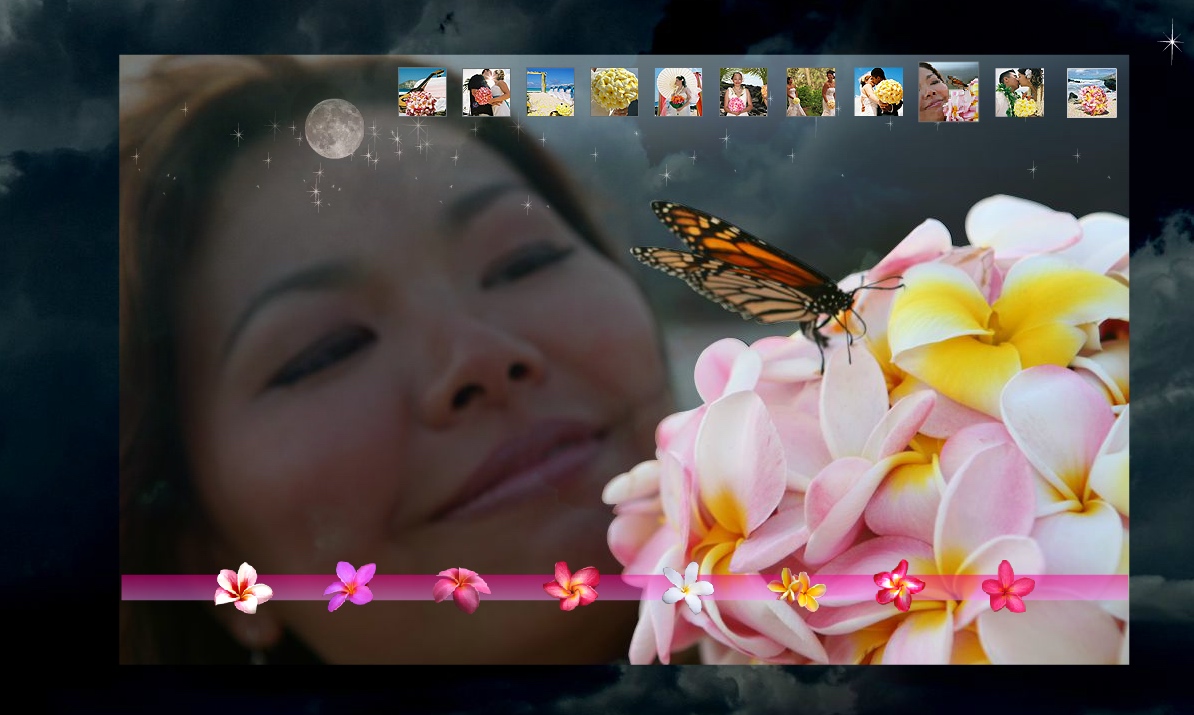
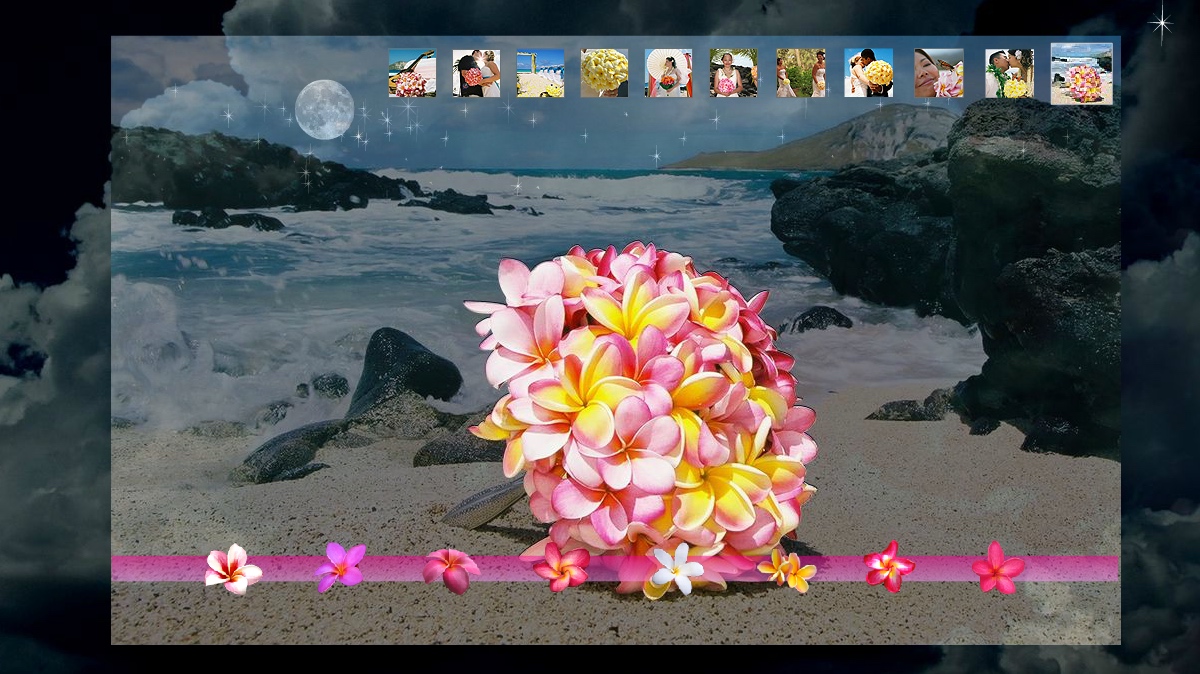
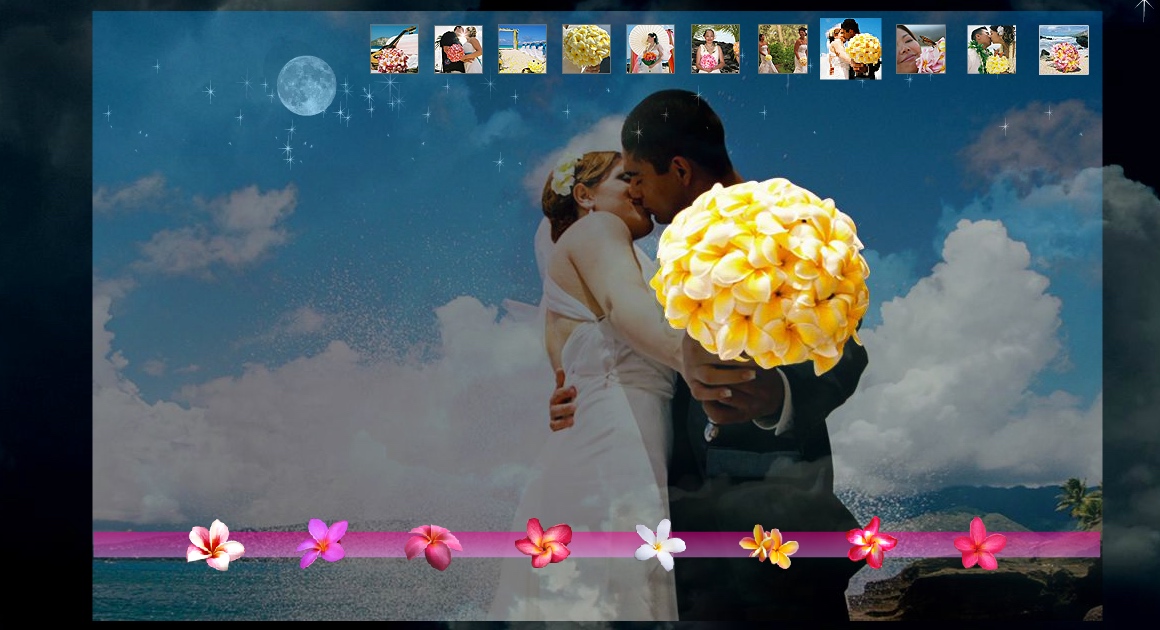
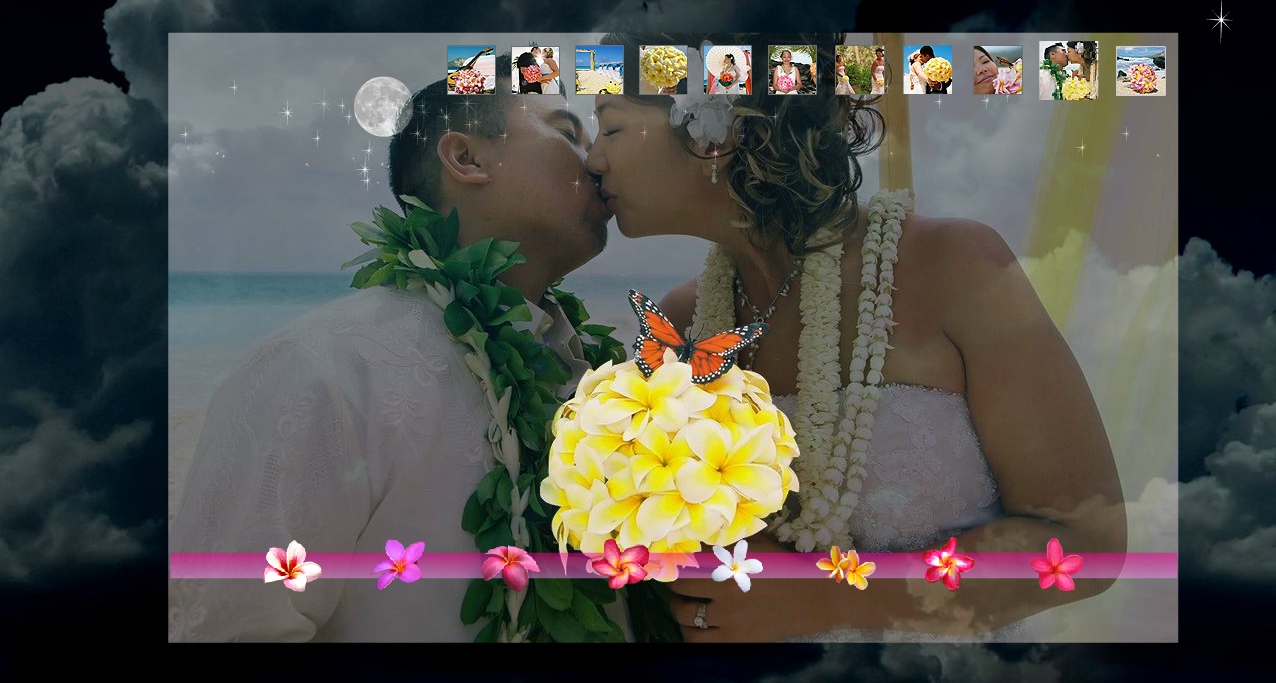
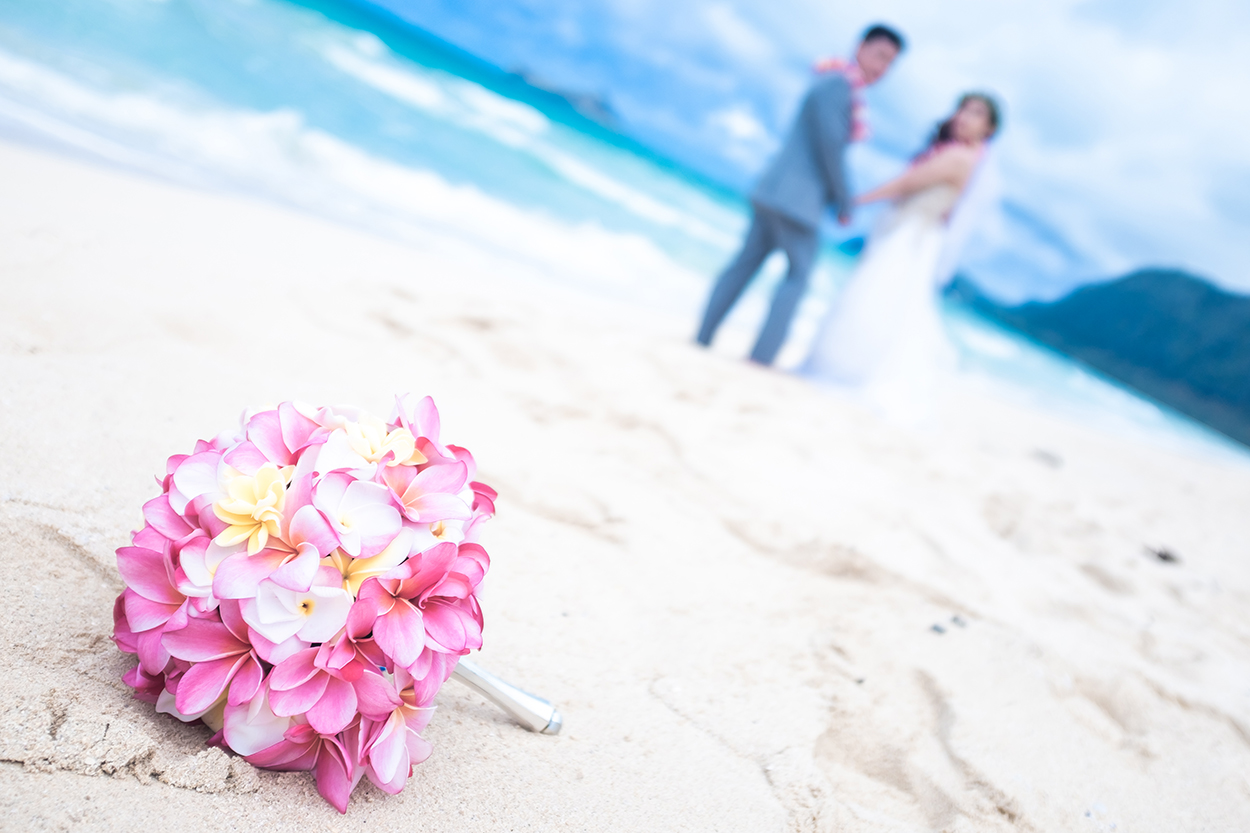
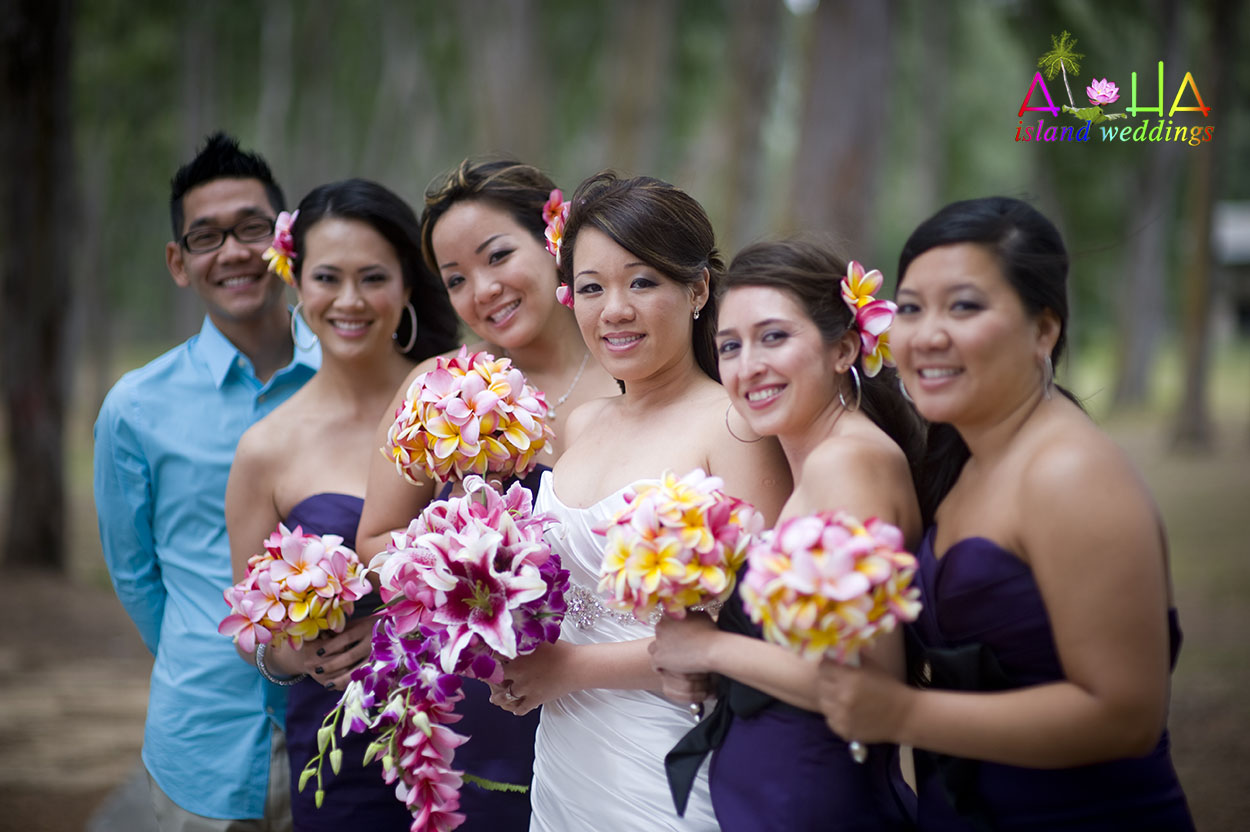
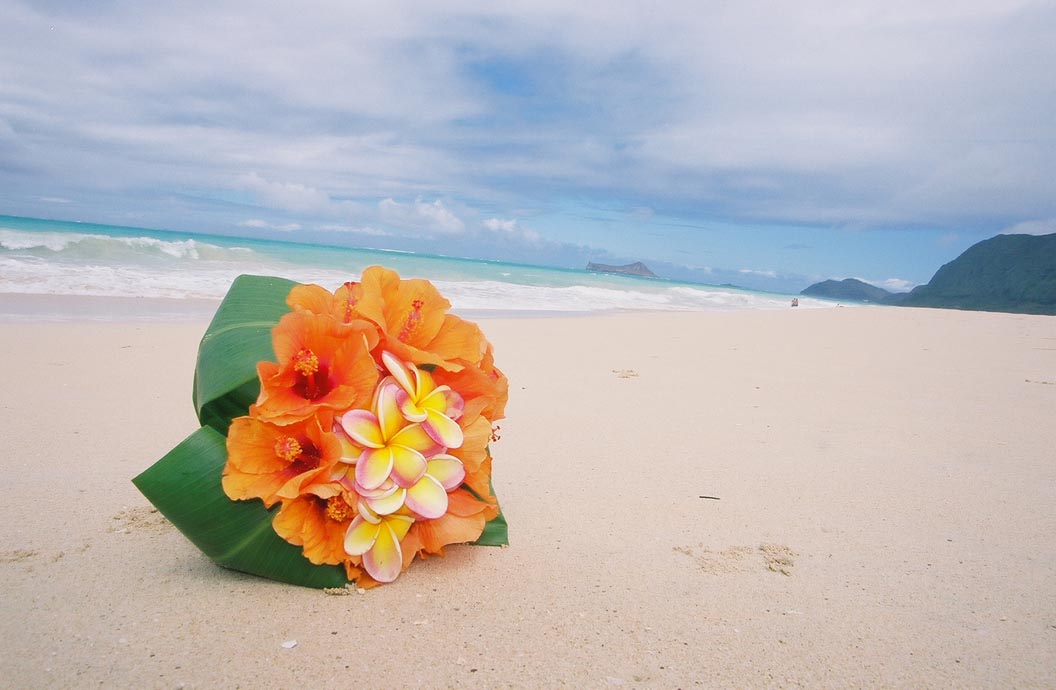
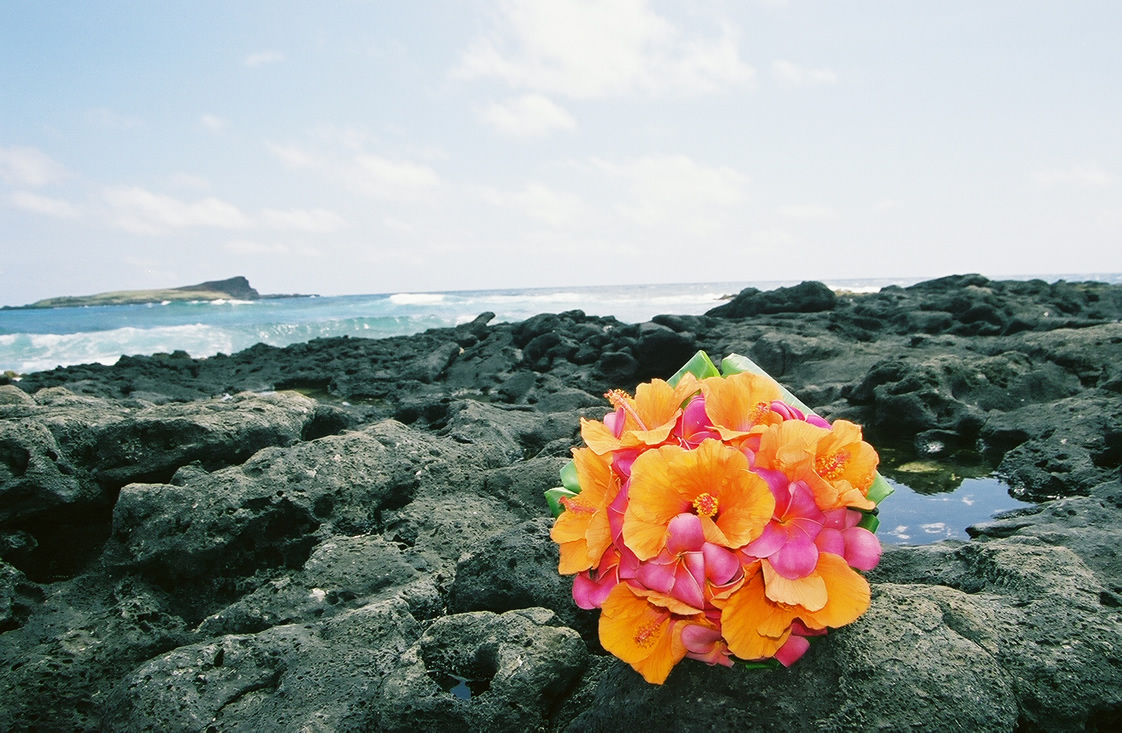
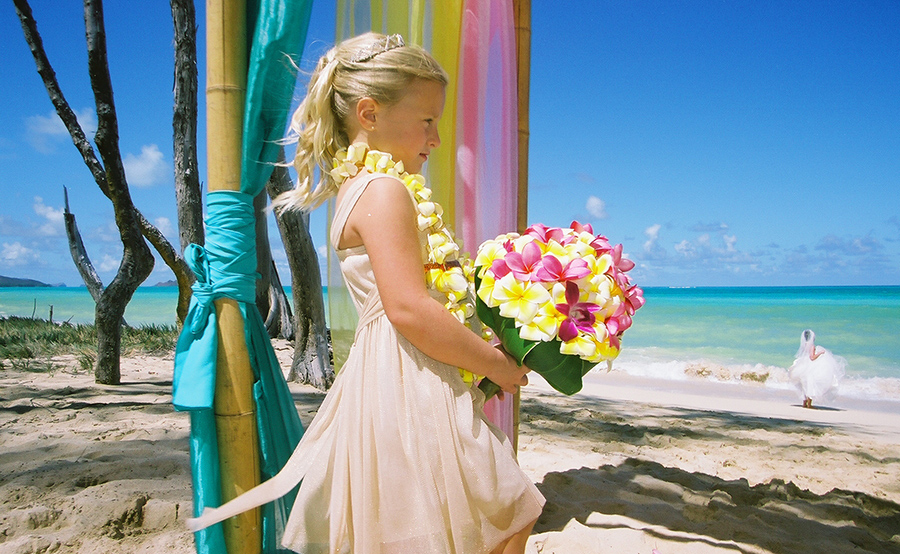
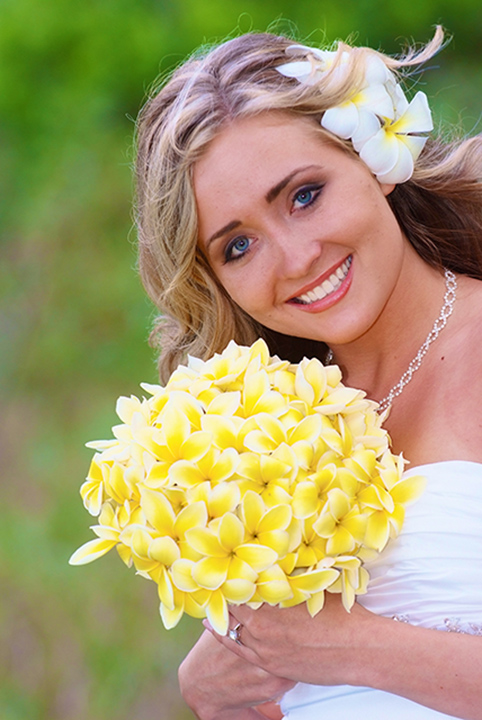
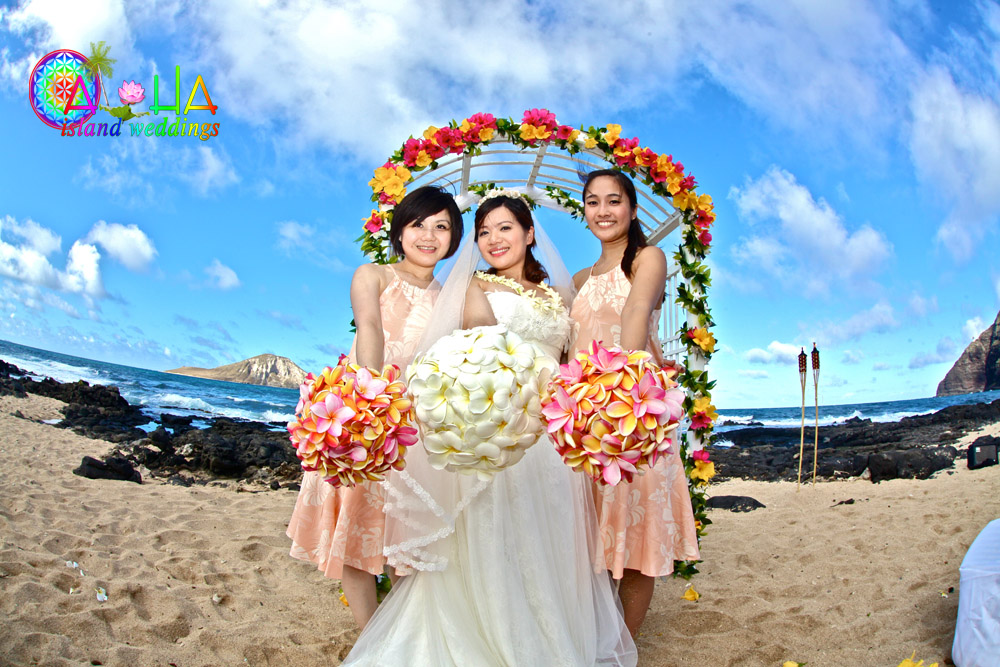
Plumeria bouquets are as colorful as the islands. Choose a classic all white bouquet with sunny yellow centers, soft or bright pinks, cheerful yellows, or a rainbow blend of orange, pink and gold. We can make a round globe bouquet, a cascading teardrop, or a super large bouquet framed in banana leaf, and mix in orchids, roses, lilies, hibiscus or proteas to match your colors. Bridesmaids often carry smaller plumeria bouquets in matching or rainbow shades. Click a photo to see it full size.
Featured: Laura’s Multicolor Plumeria Bouquet
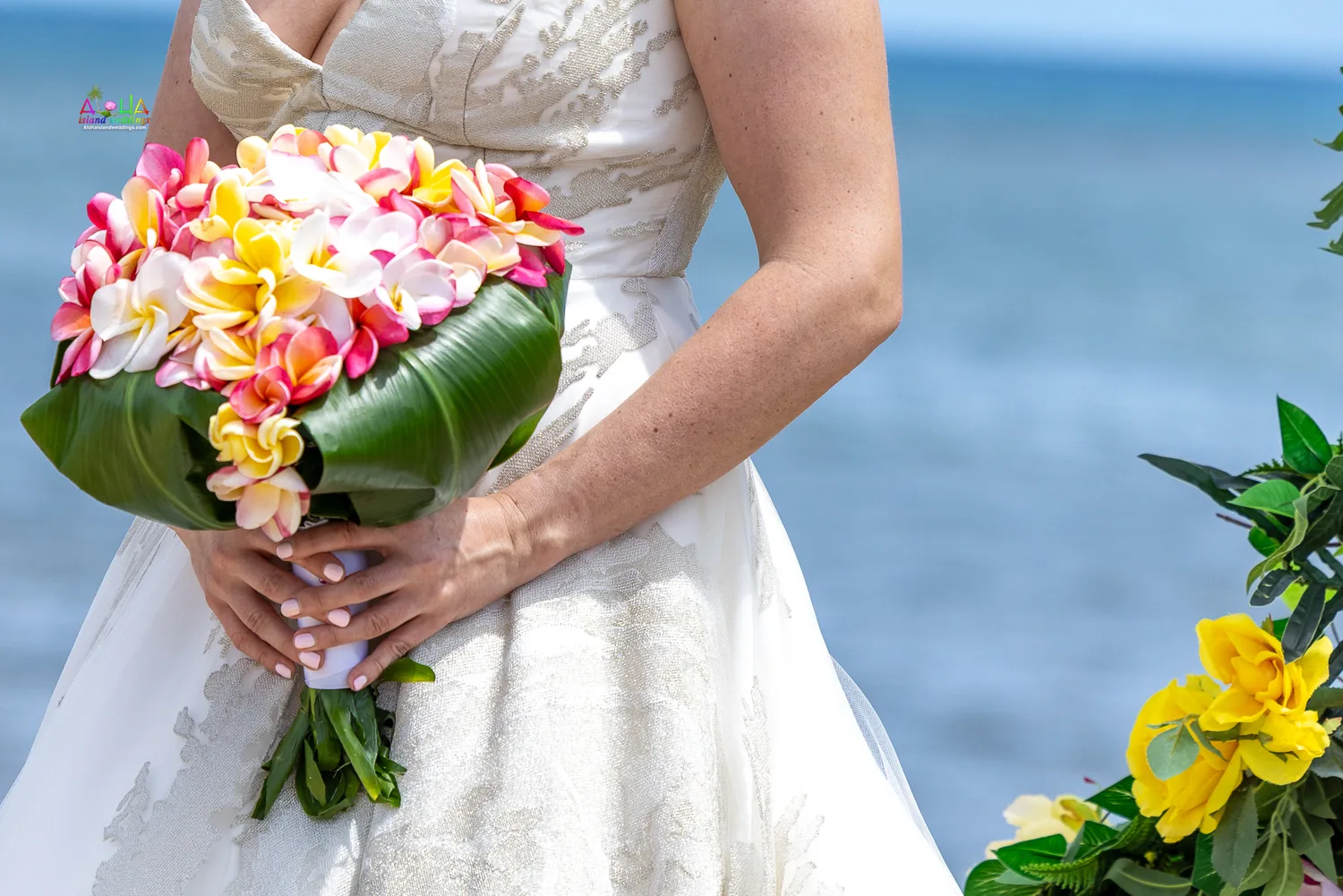
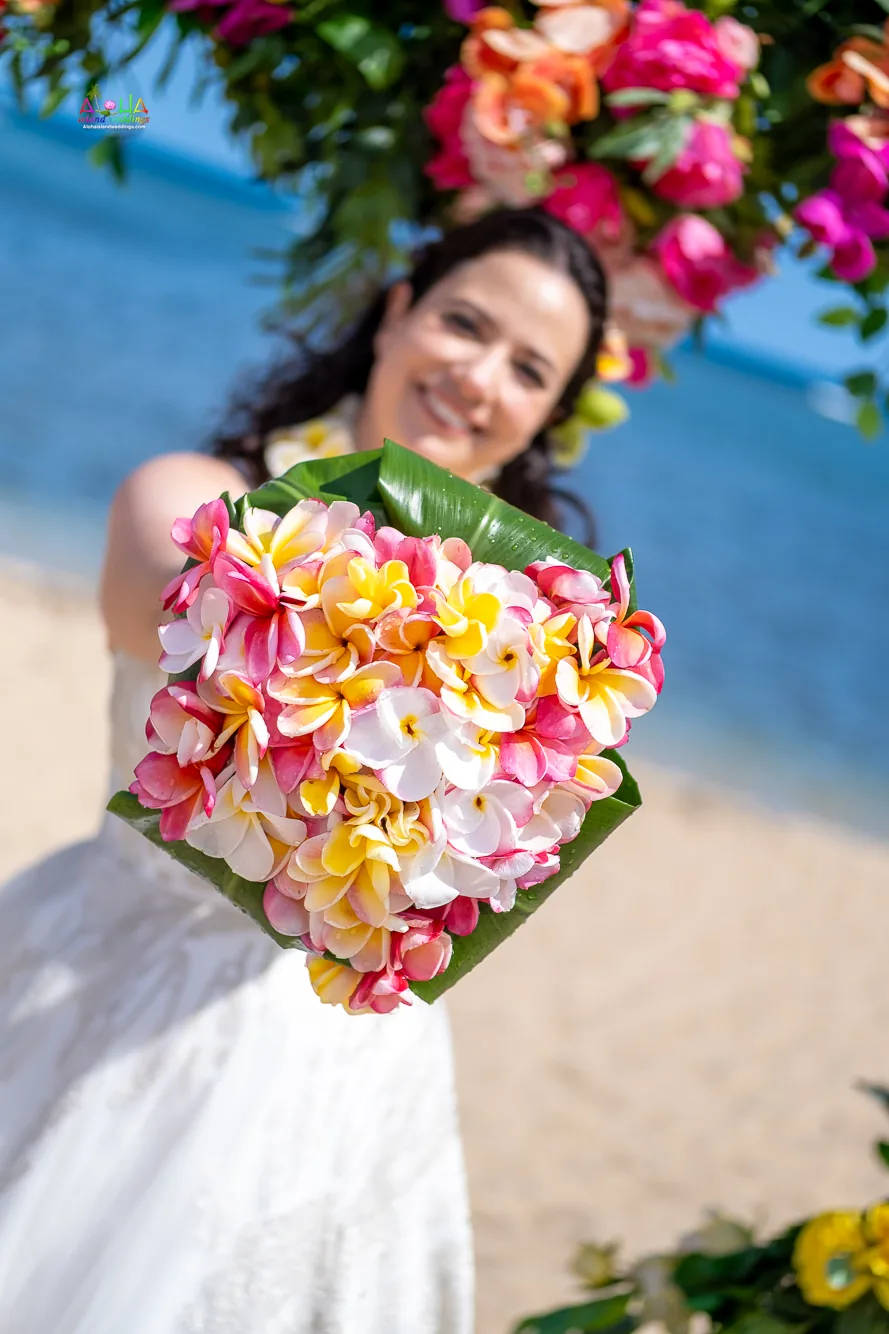
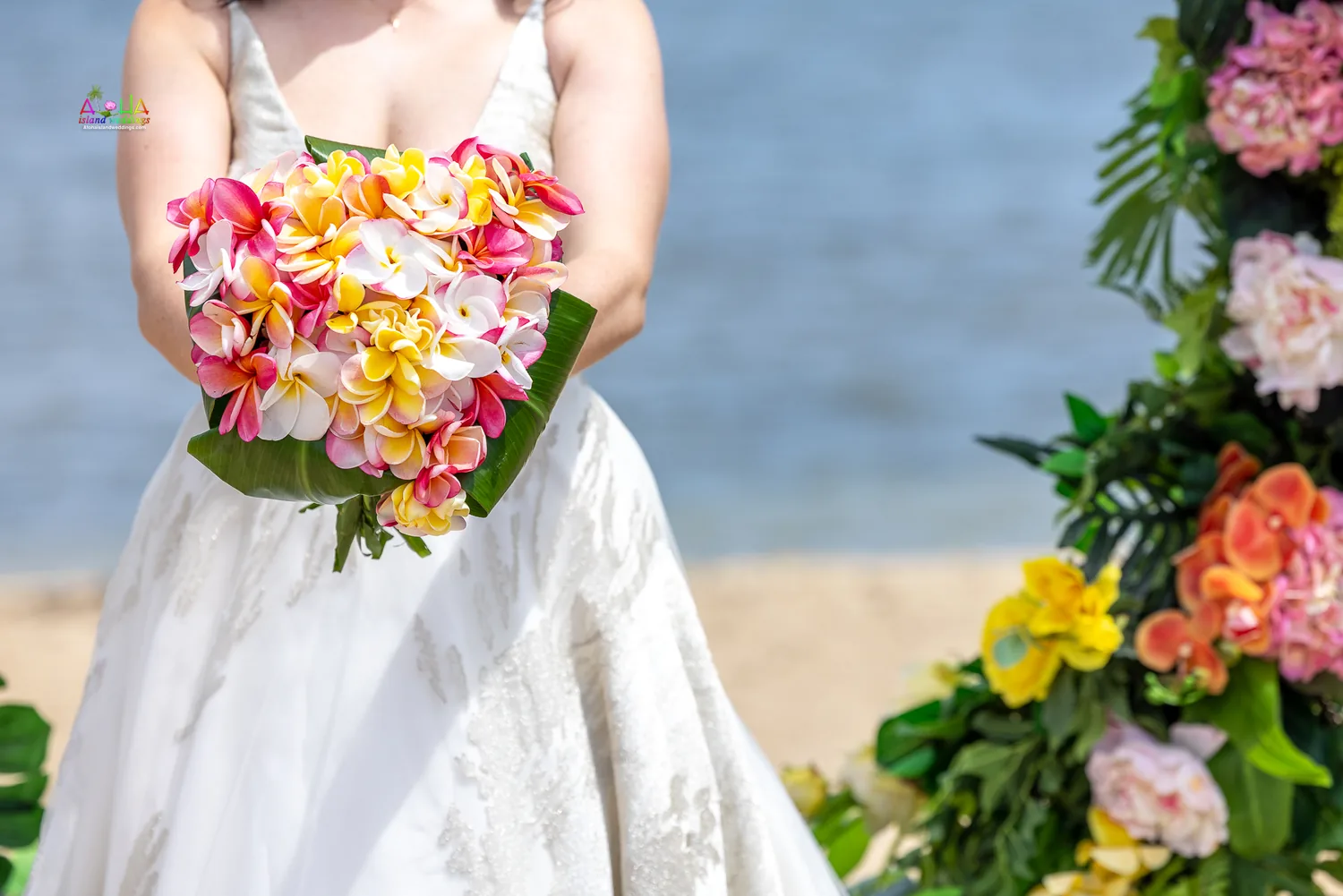
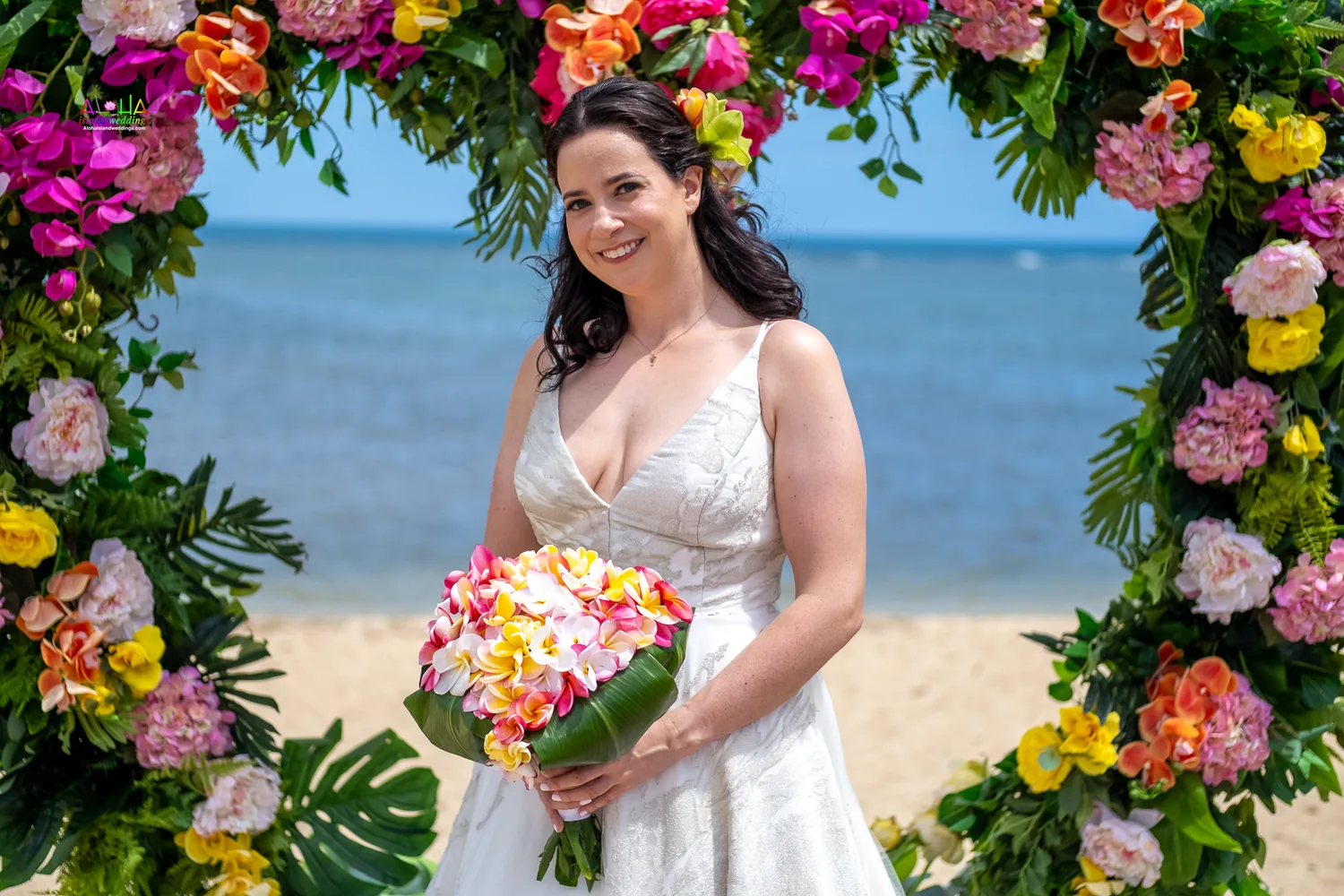
For her 5 year vow renewal at Waialae Beach, Laura carried a bouquet of mixed multicolor plumerias: bright yellows, whites and pinks, deep fuchsias and the popular white plumeria with a yellow center, all mixed together for a colorful tropical “snow cone” look. It was wrapped in green ti leaves and finished with a white satin ribbon, and she wore white orchids in her hair.




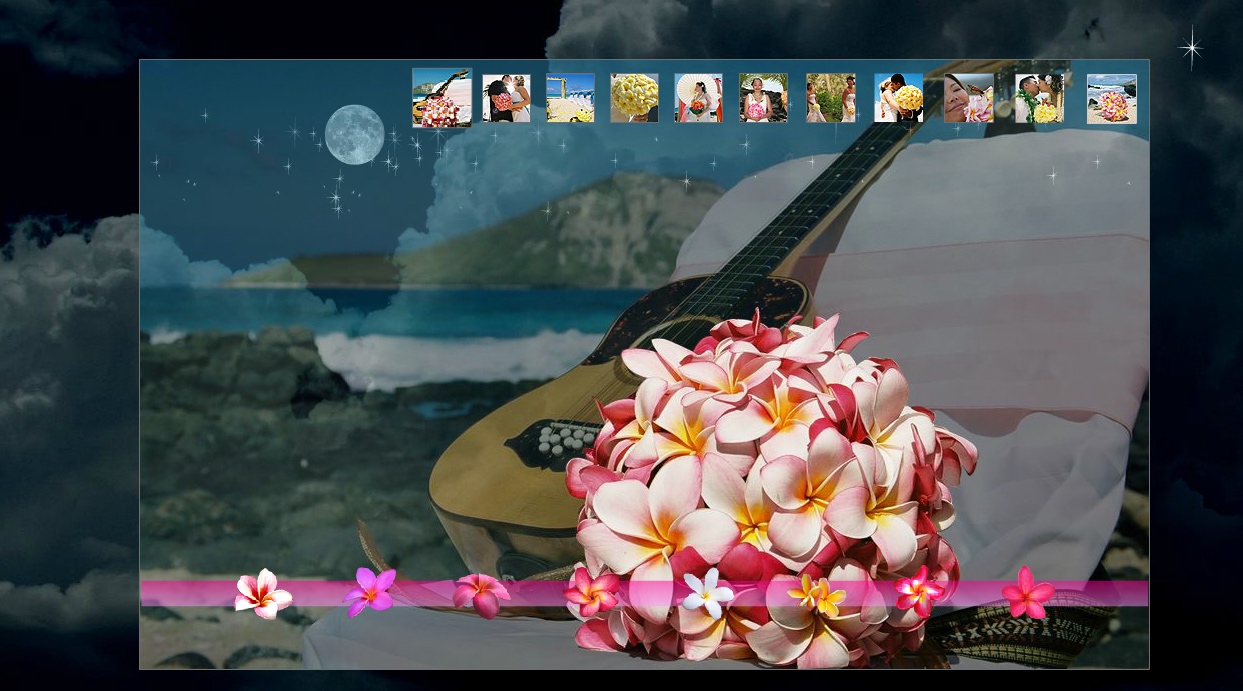
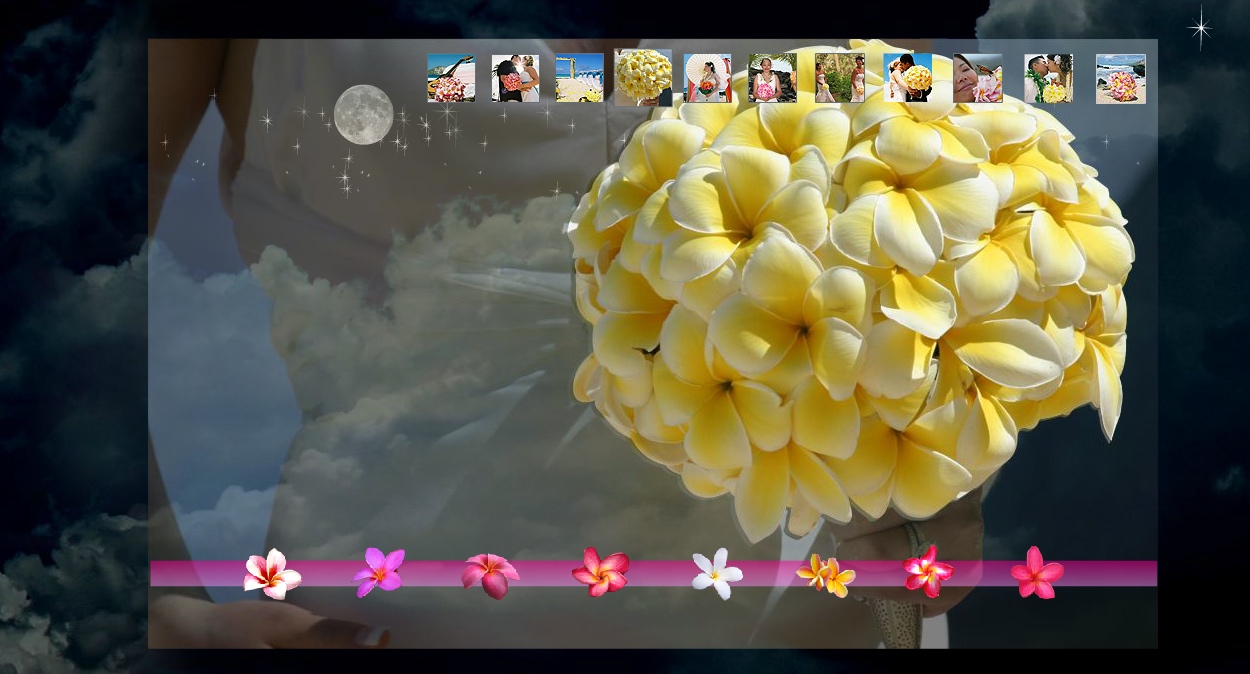
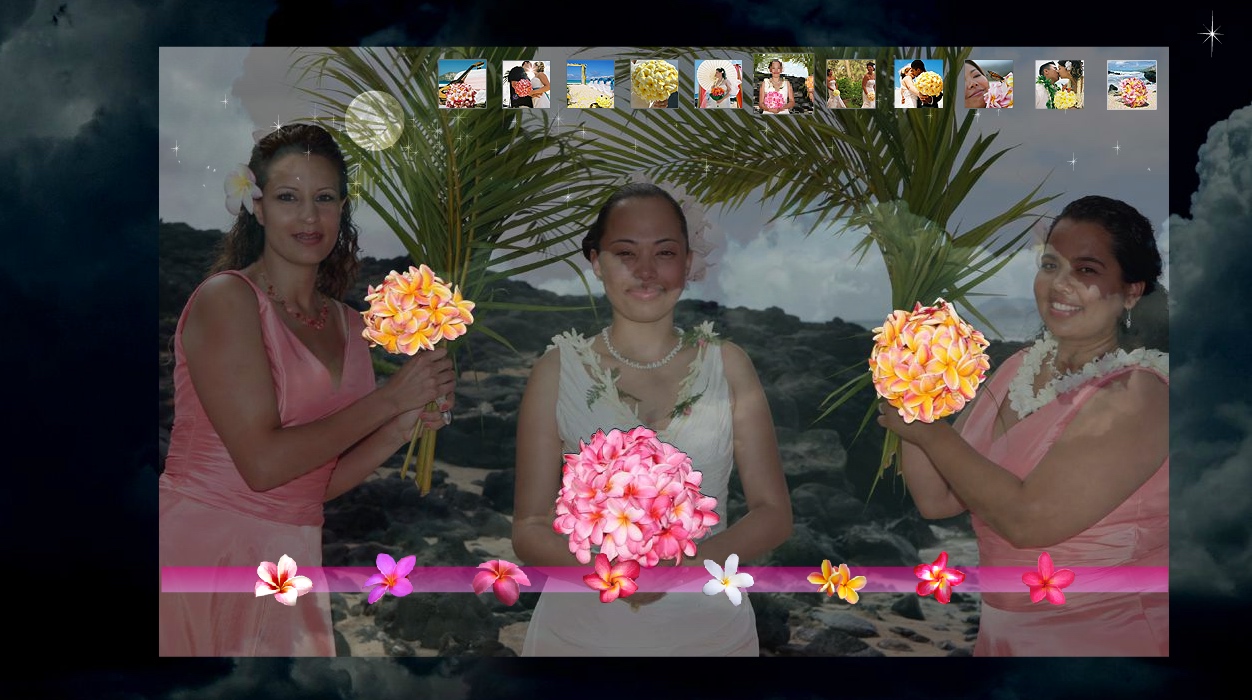





Gallery
Plumeria Pathways & Flower Showers
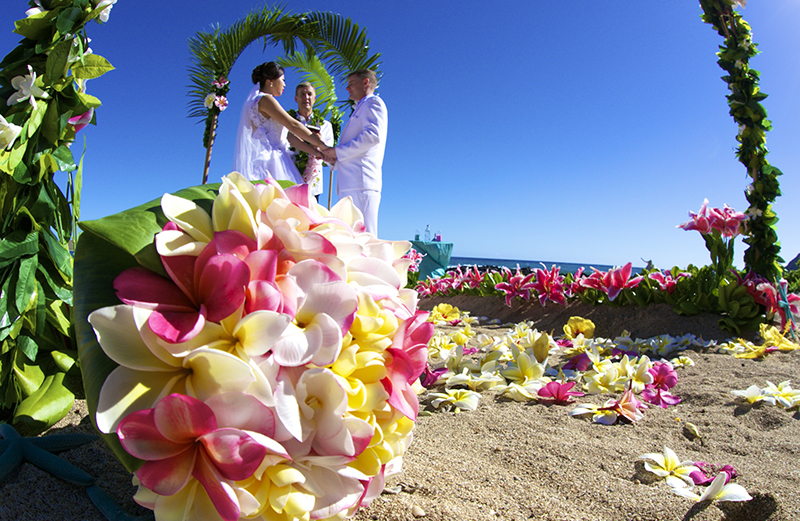
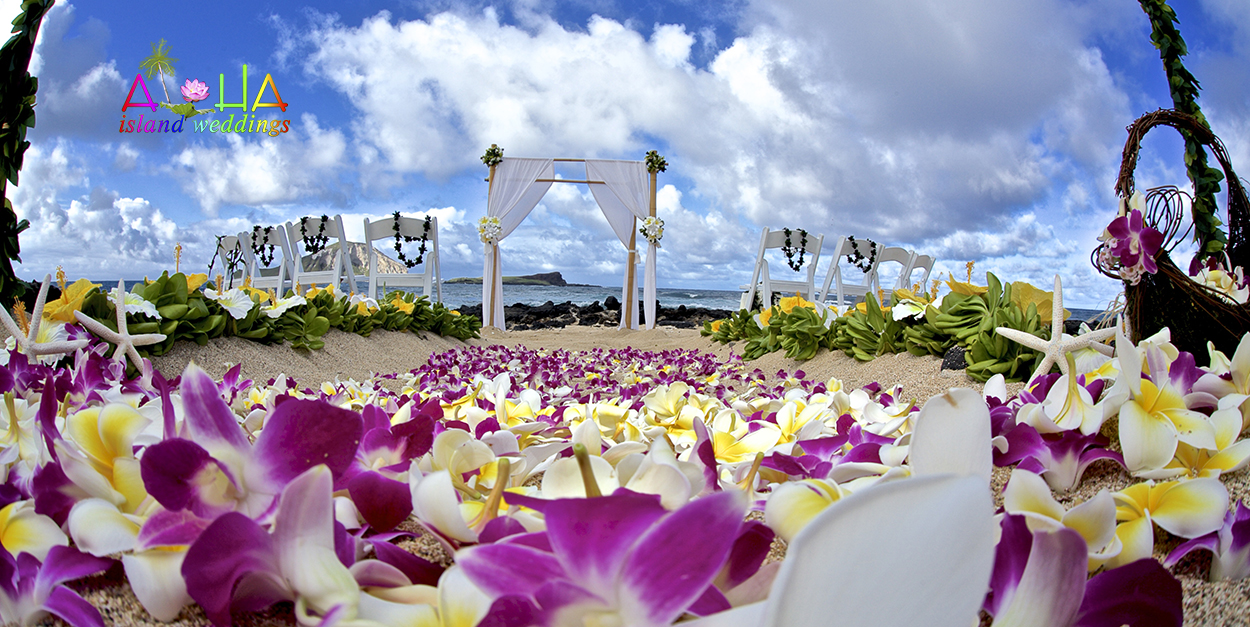
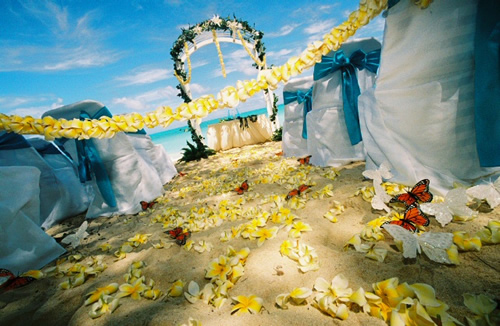
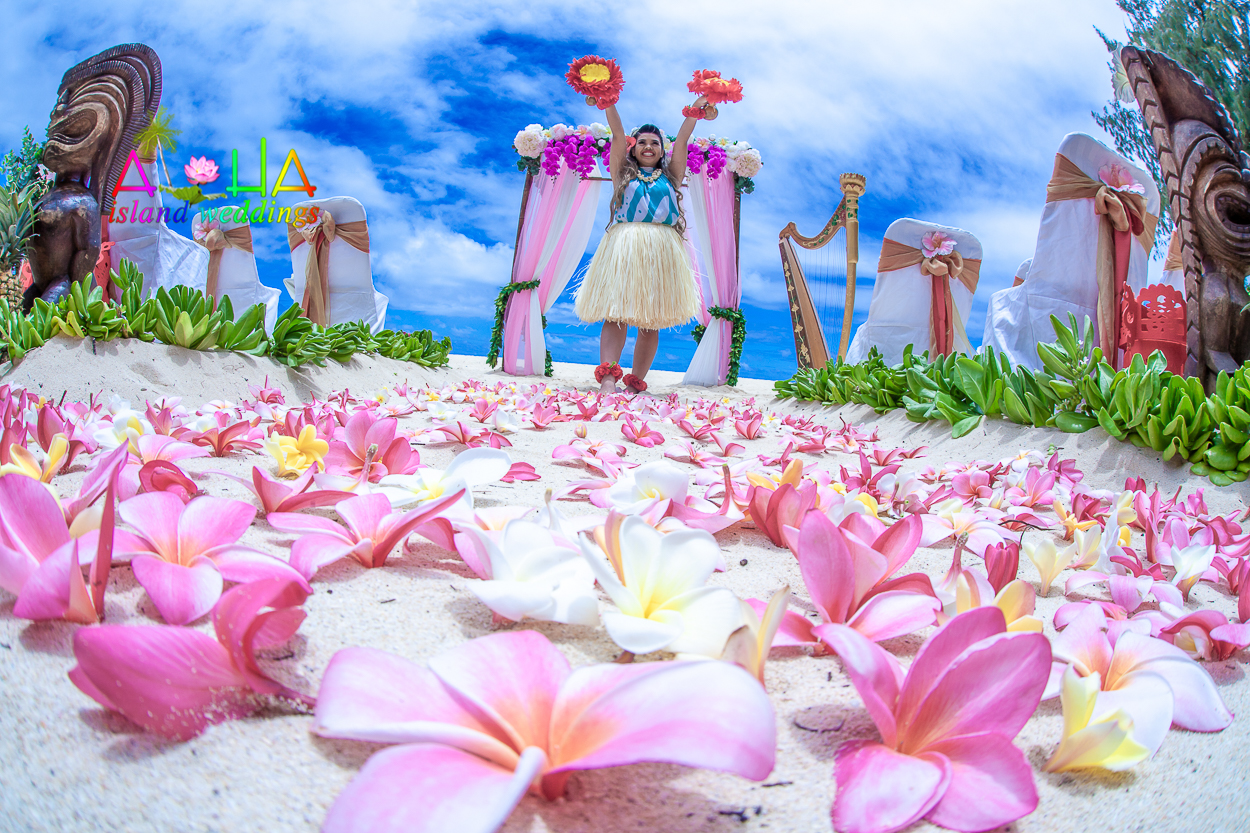
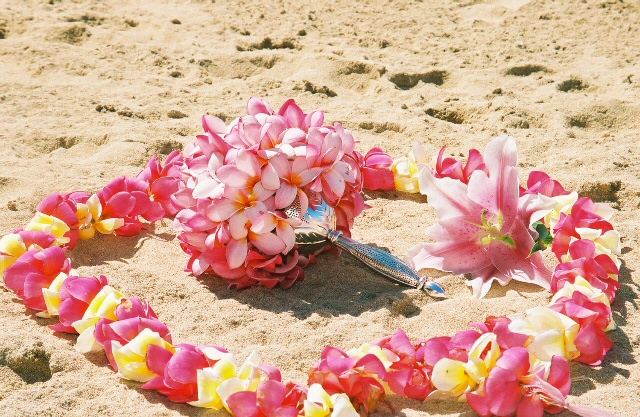
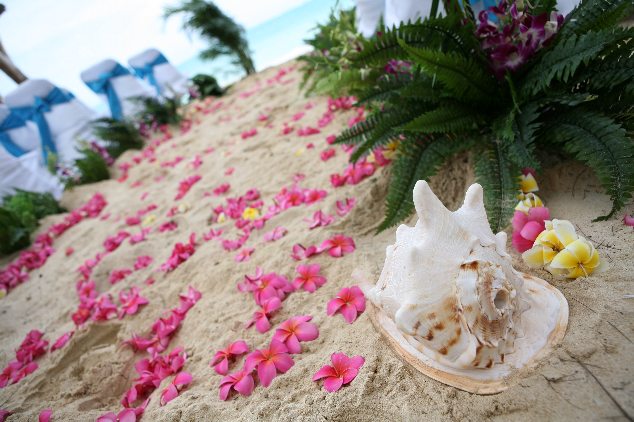
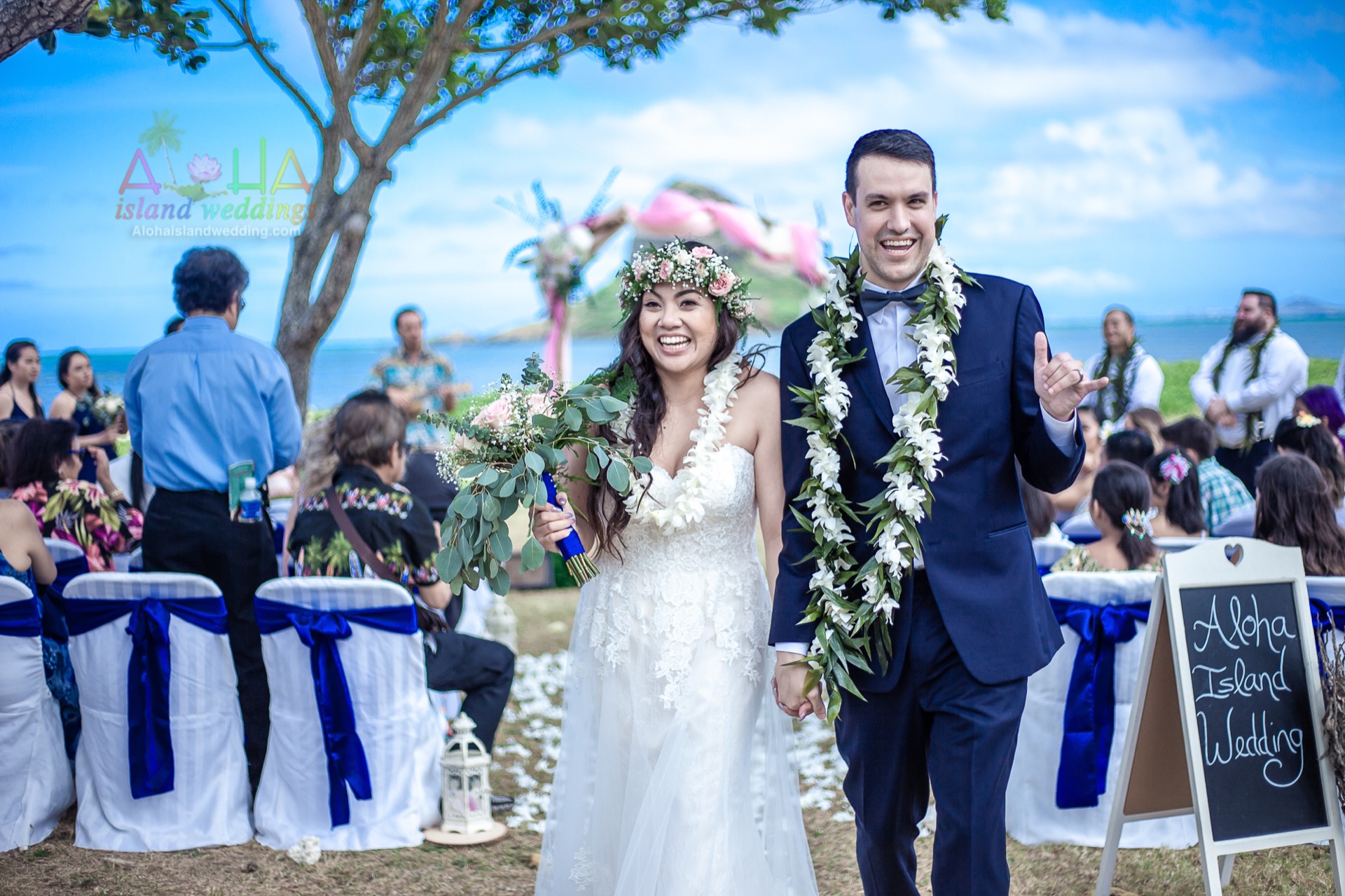
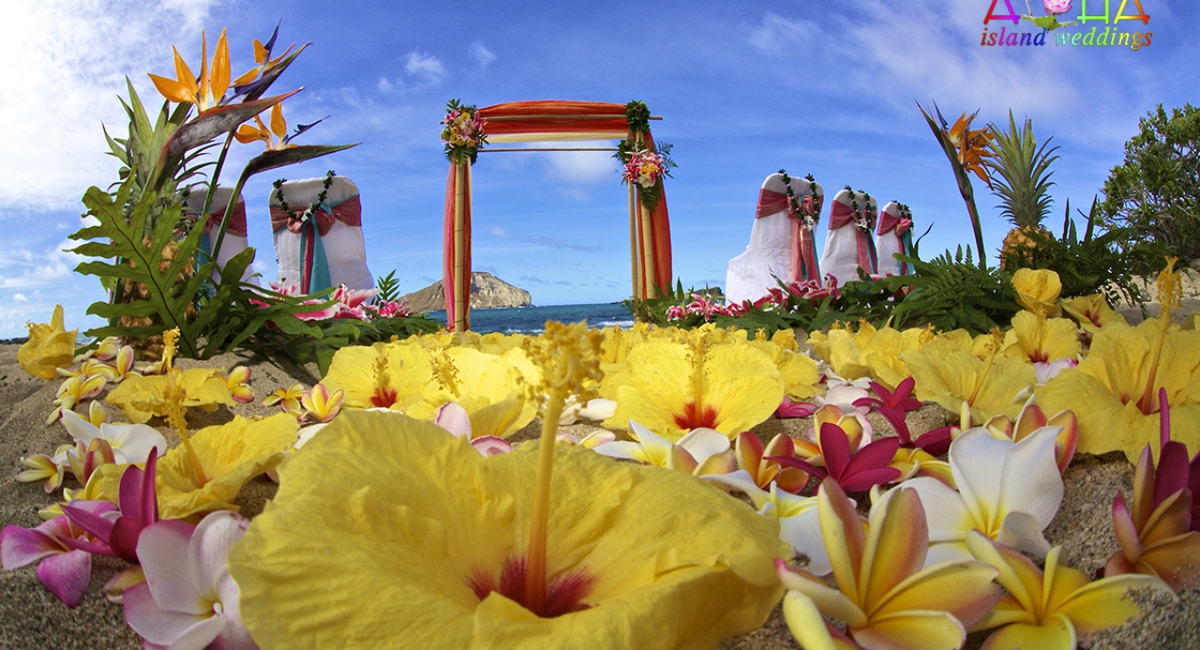
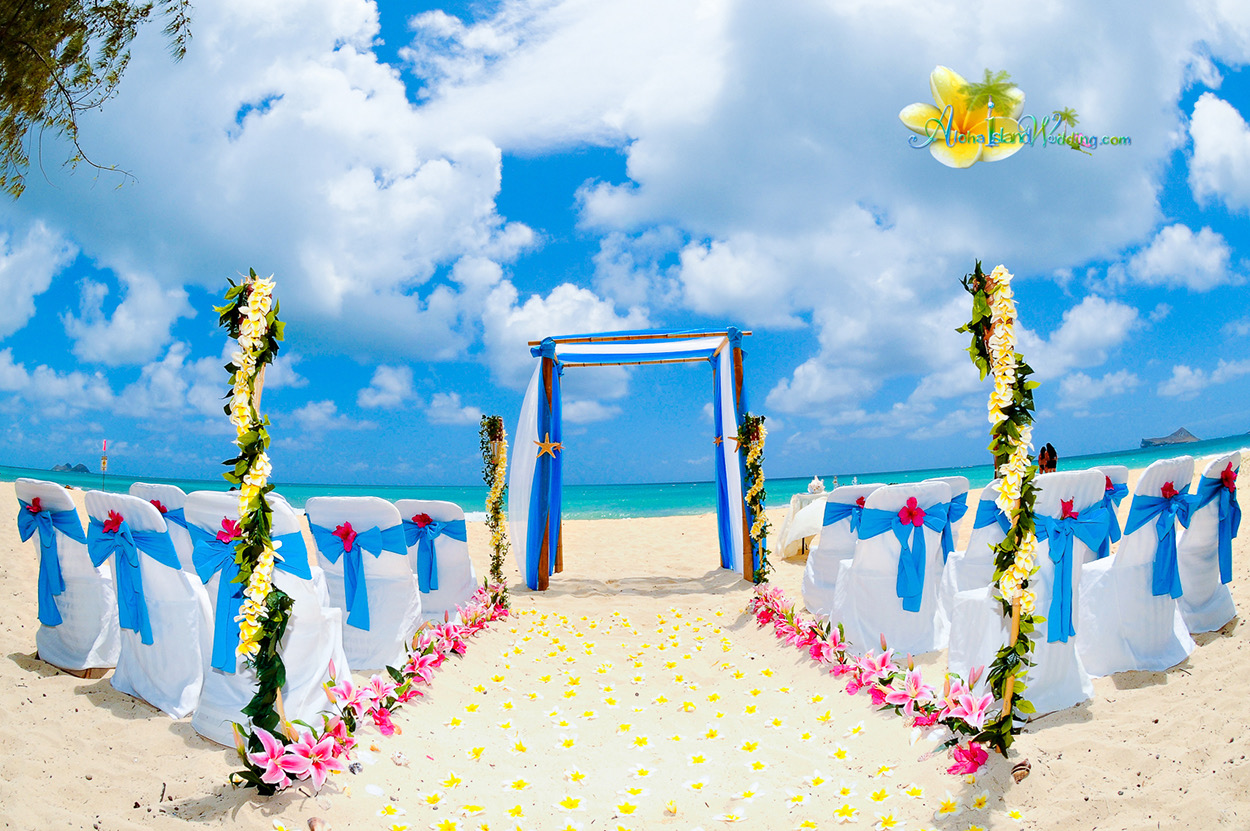
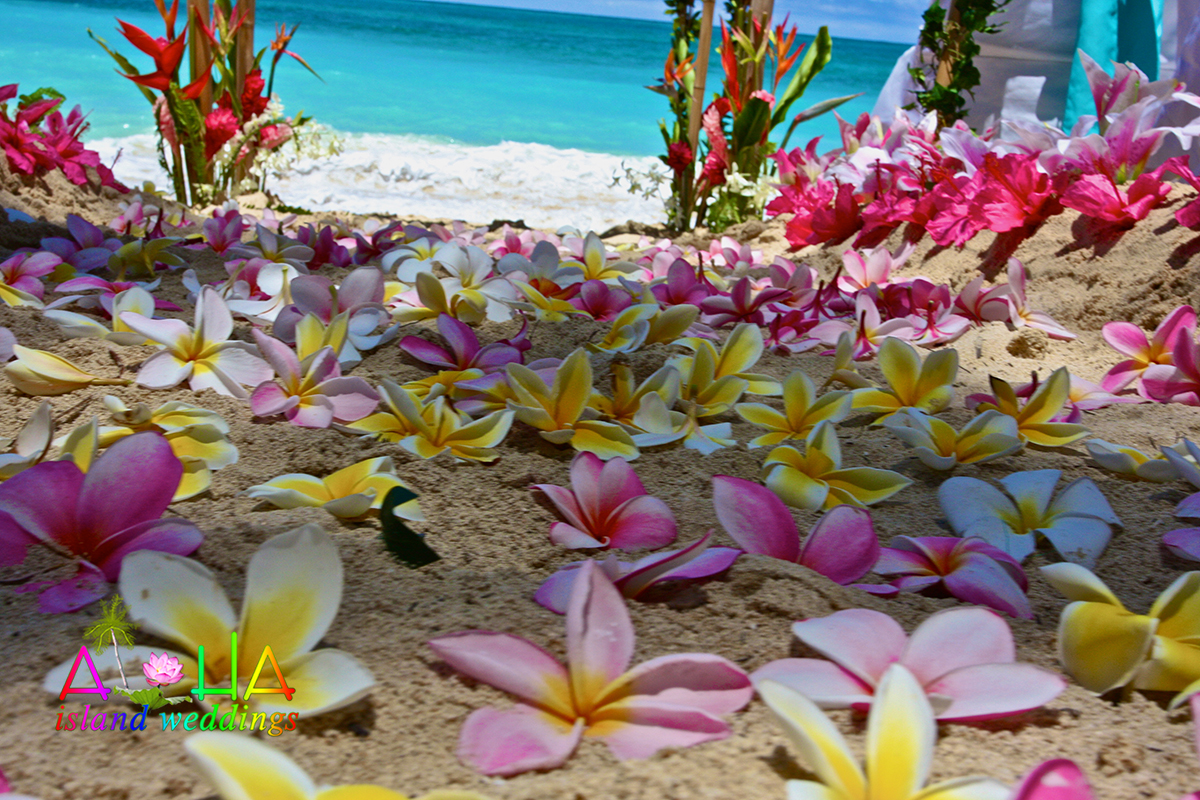
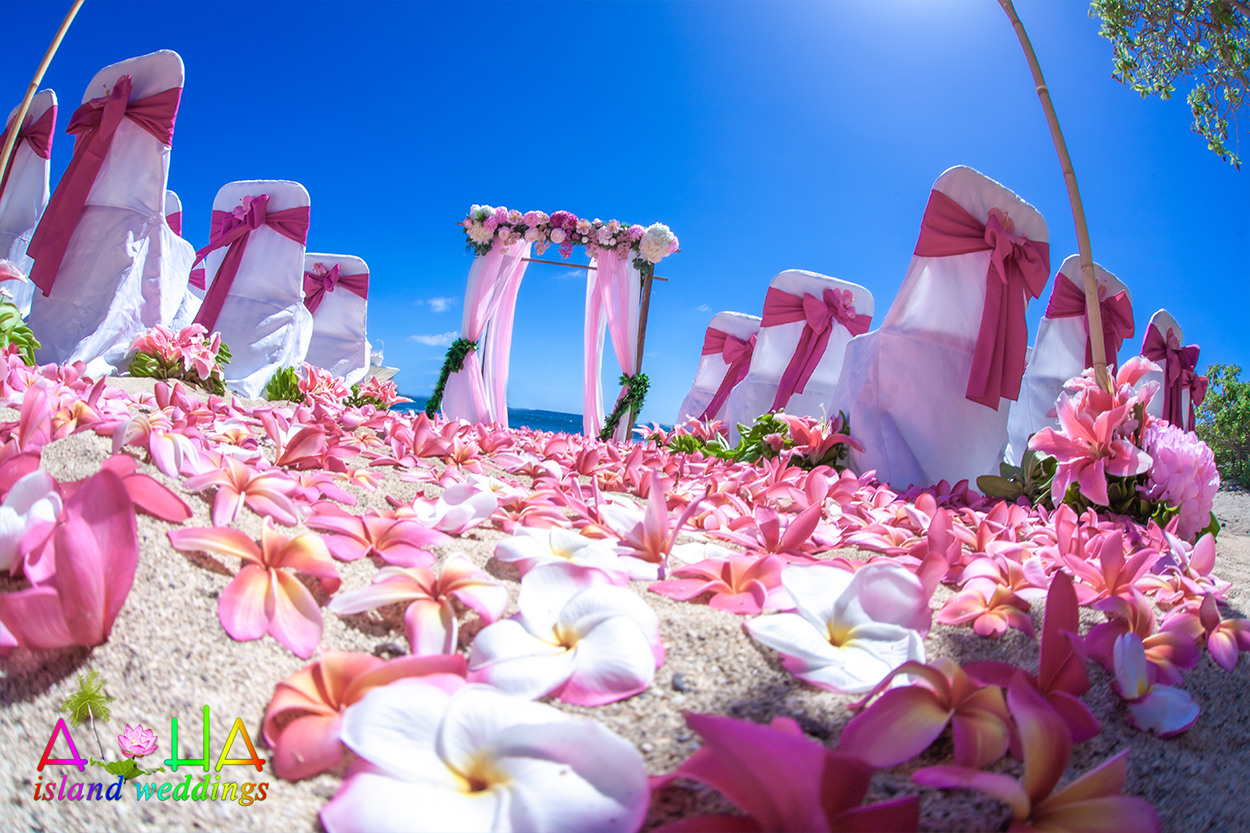
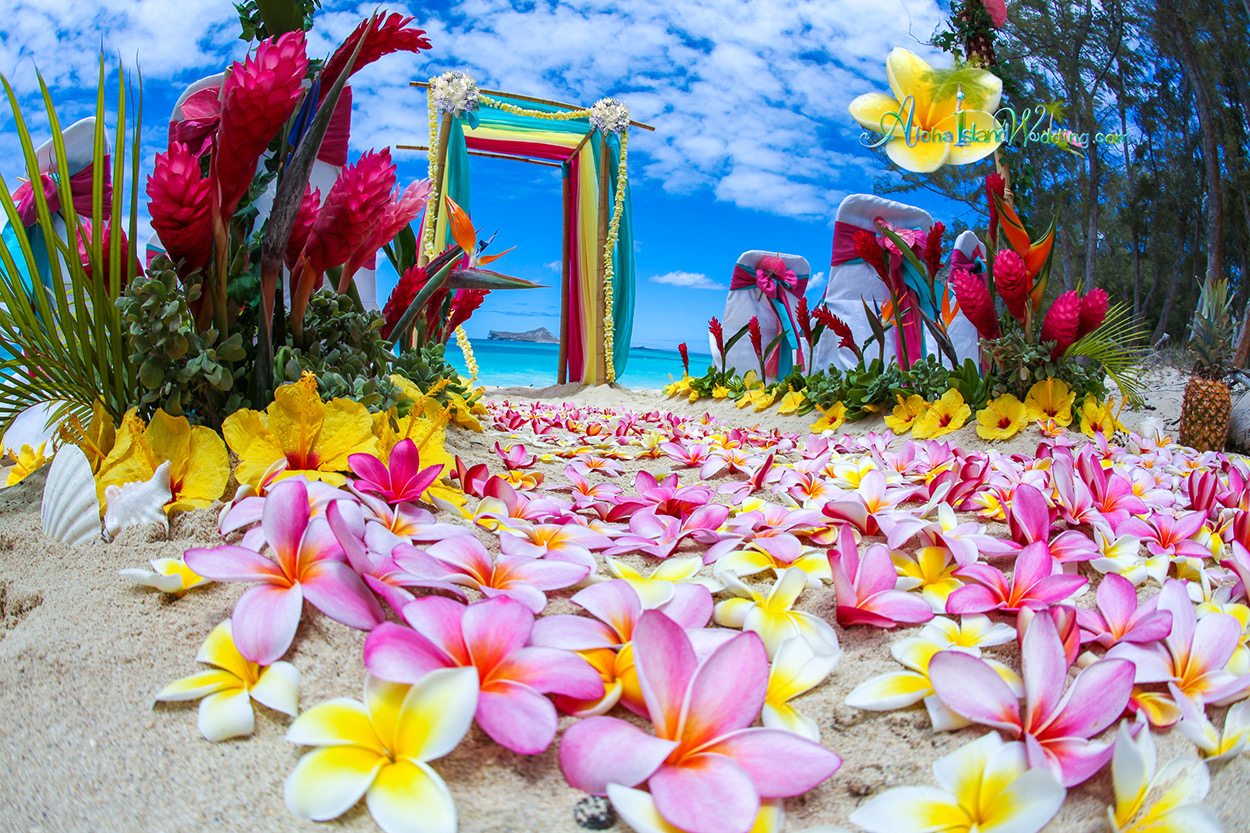
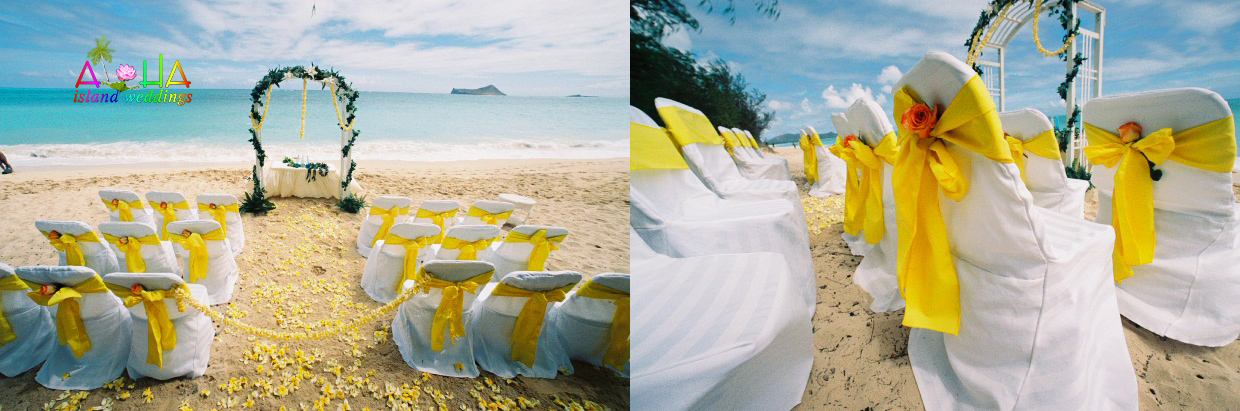
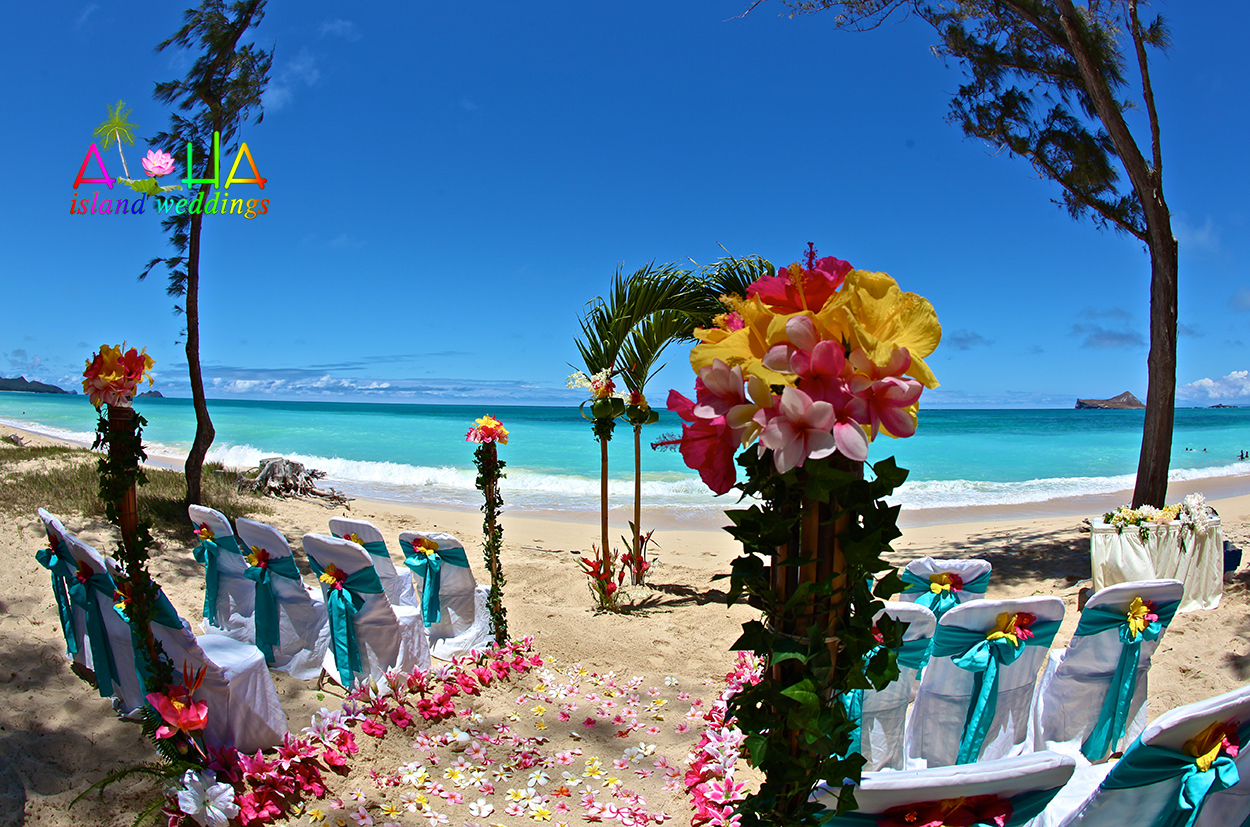
A pathway of fresh plumerias turns the sand into a flower aisle leading to your arch. We scatter the blossoms along the aisle, line it with hibiscus and orchids, or shape the flowers into a heart or circle where you stand for your vows. Plumerias also decorate arches and tiki torches, and after the ceremony your guests can shower you with petals as you walk back down the aisle as newlyweds.





Gallery
Plumeria Leis & Haku Leis
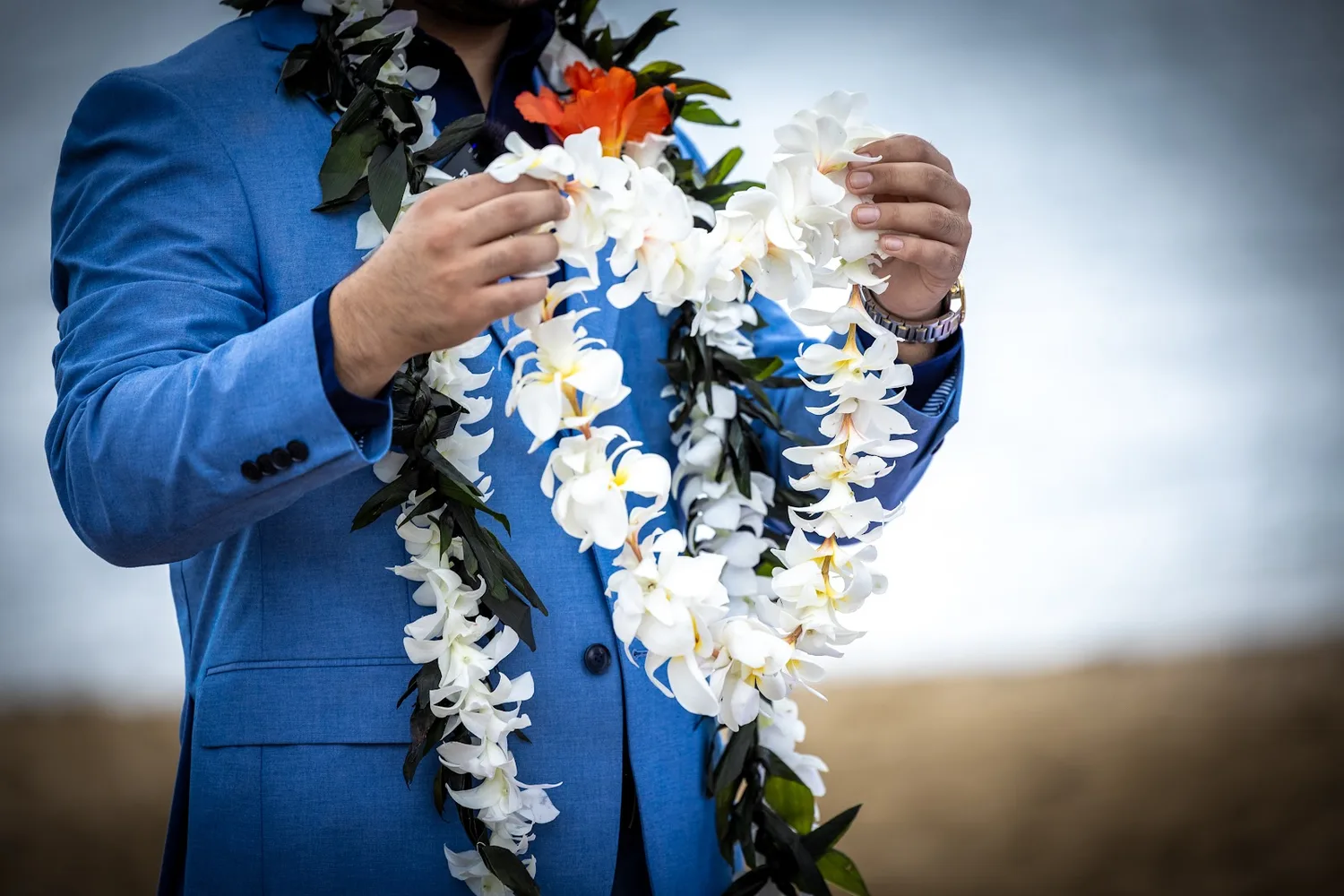
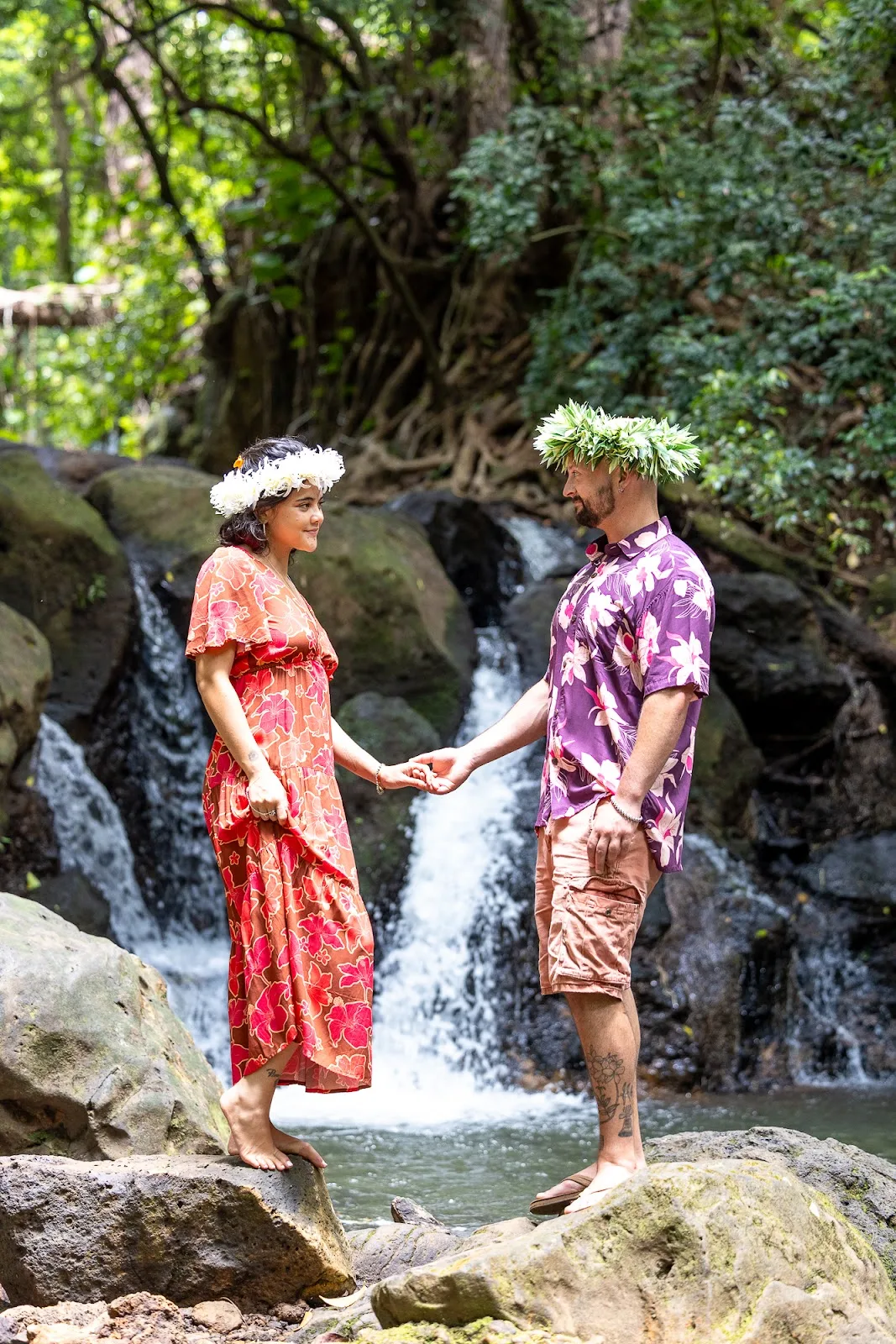
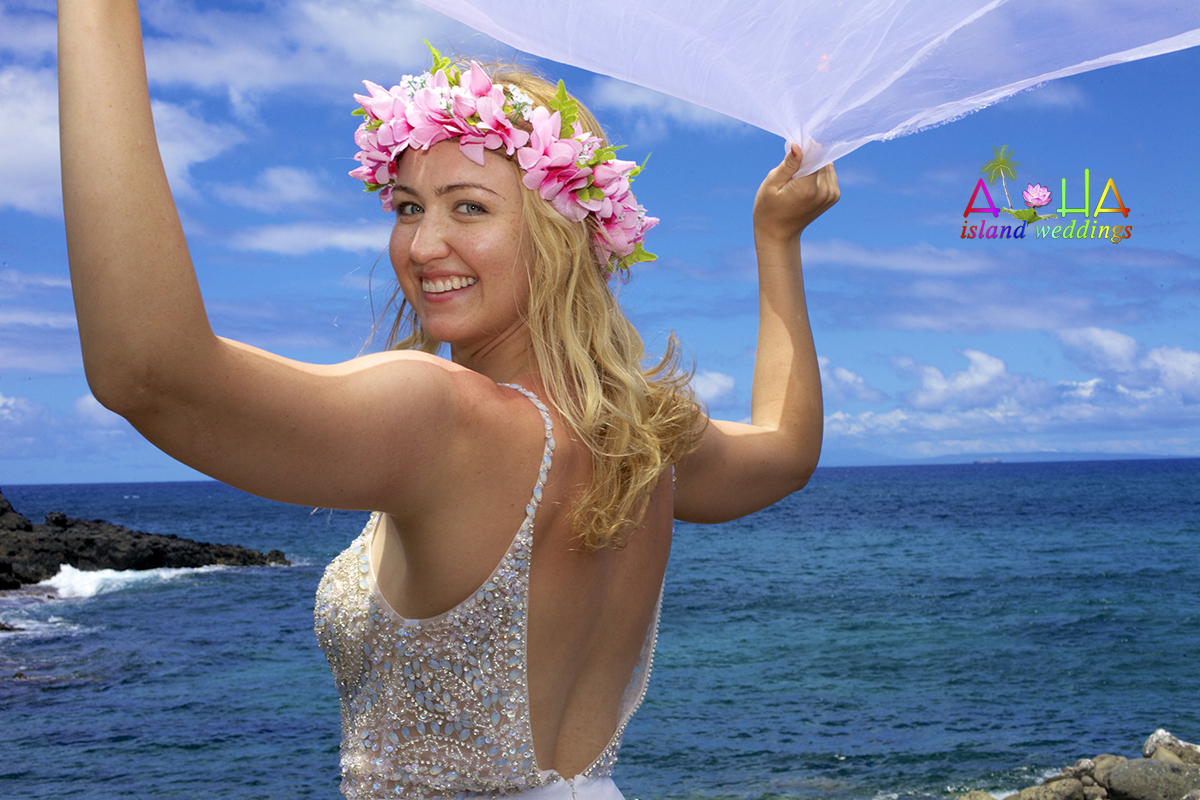
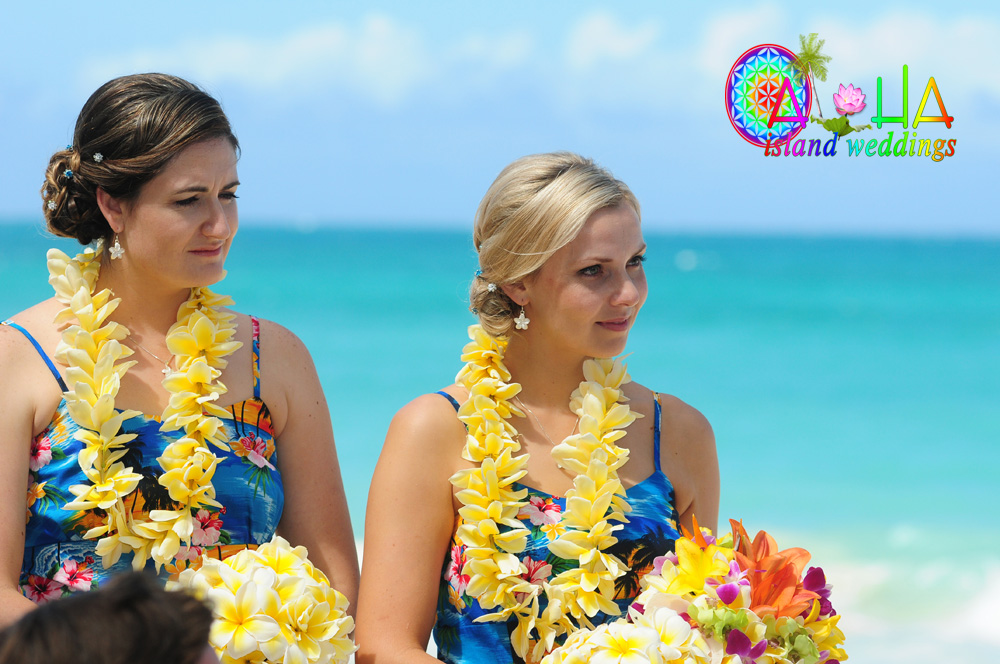
In Hawaii, a lei is a symbol of love and aloha. Plumeria leis are strung from fresh flowers and exchanged by the bride and groom during the ceremony, or given to parents, bridesmaids and guests. A haku lei is a flower crown worn on the head, and a plumeria haku lei is a favorite for brides and flower girls, in white, yellow, pink or rainbow colors to match the bouquets.


Gallery
More Ways to Use Plumerias
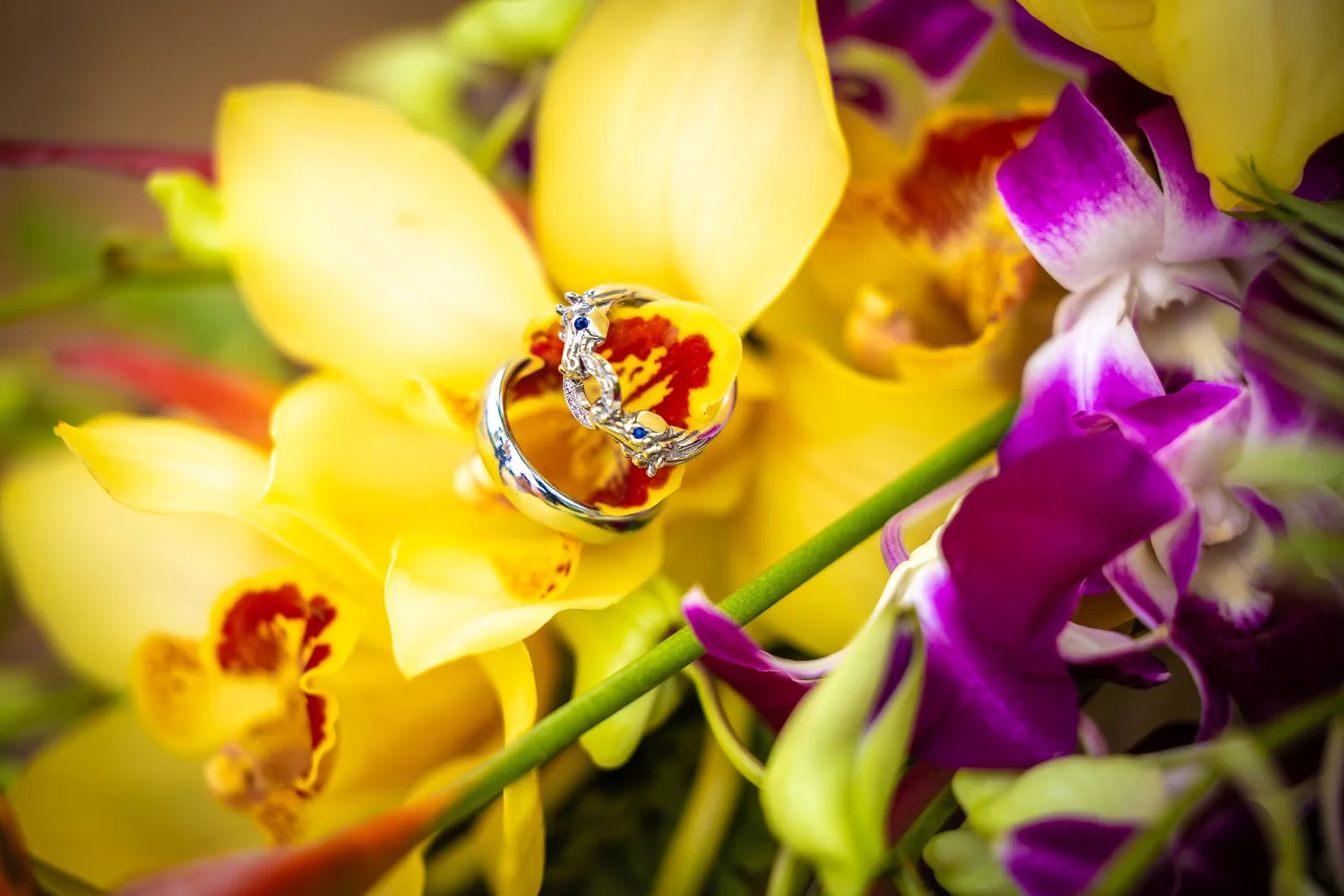
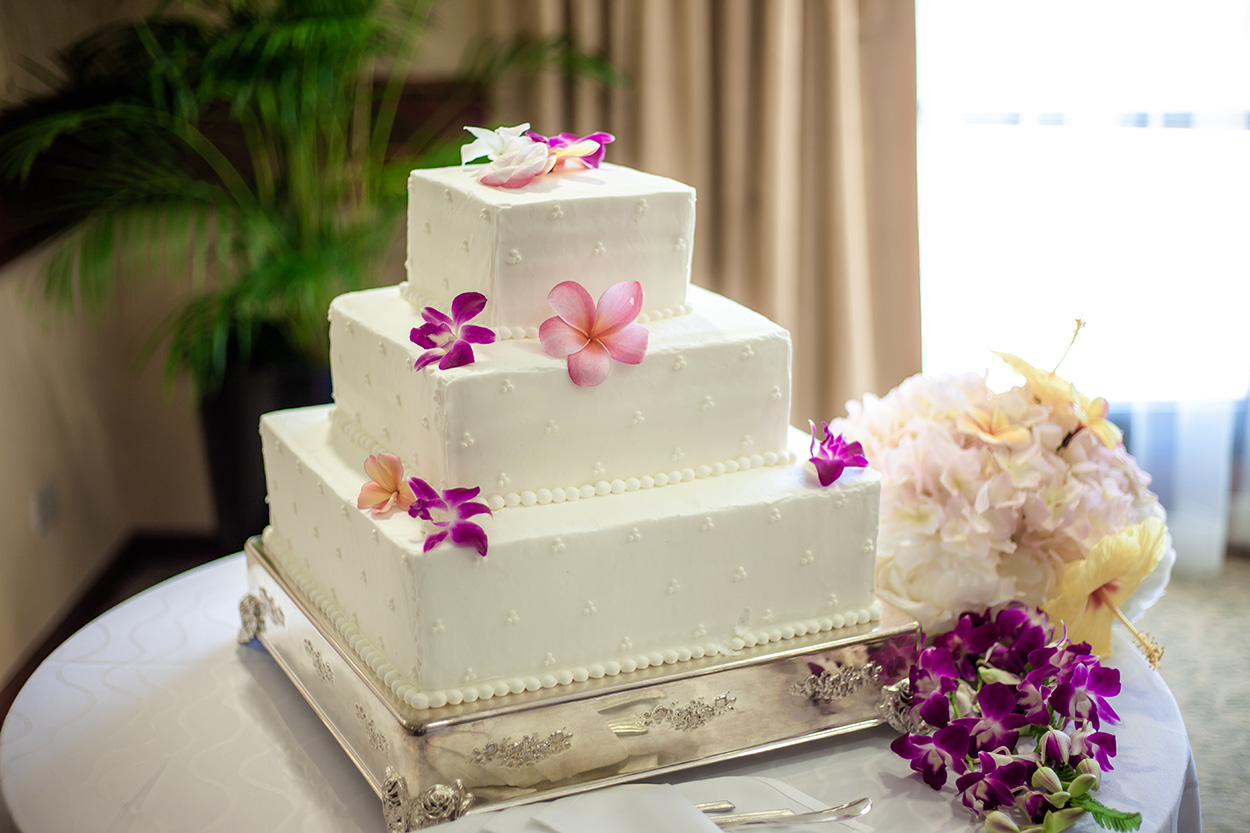
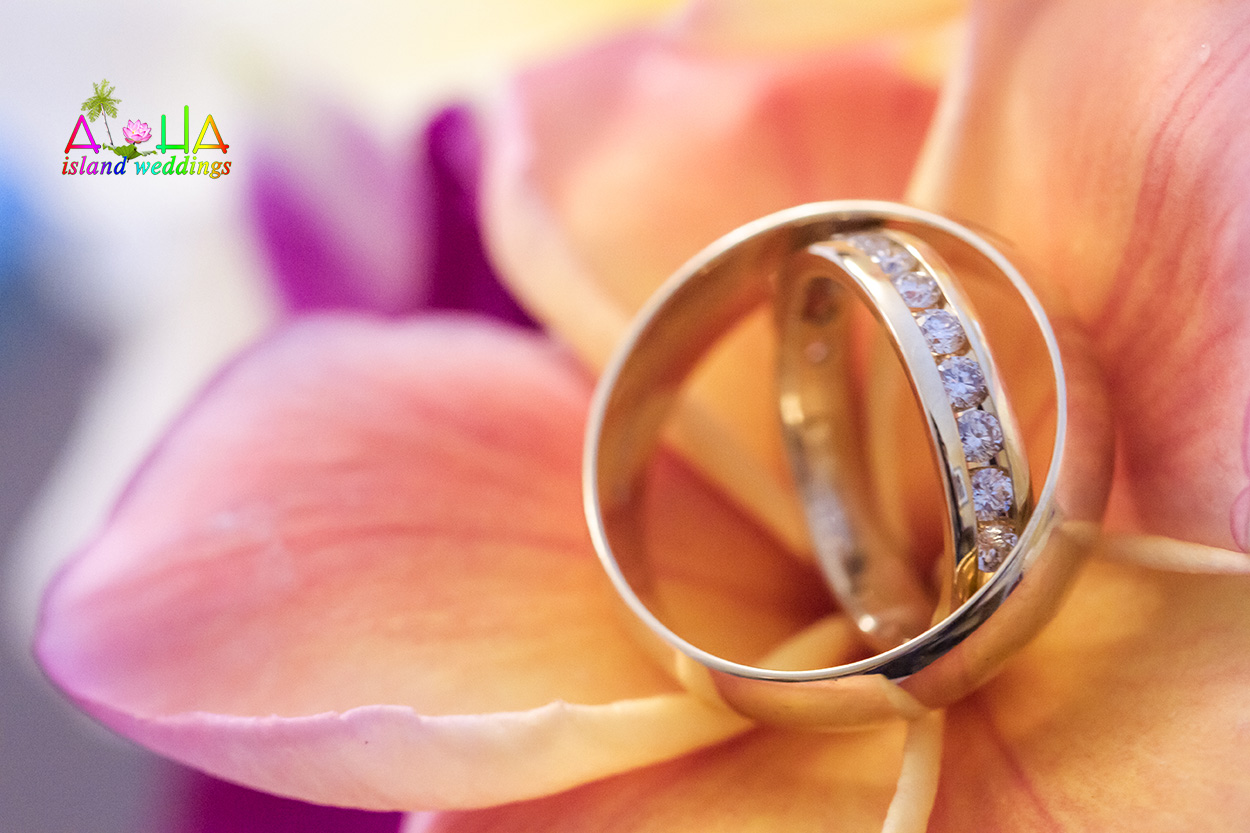
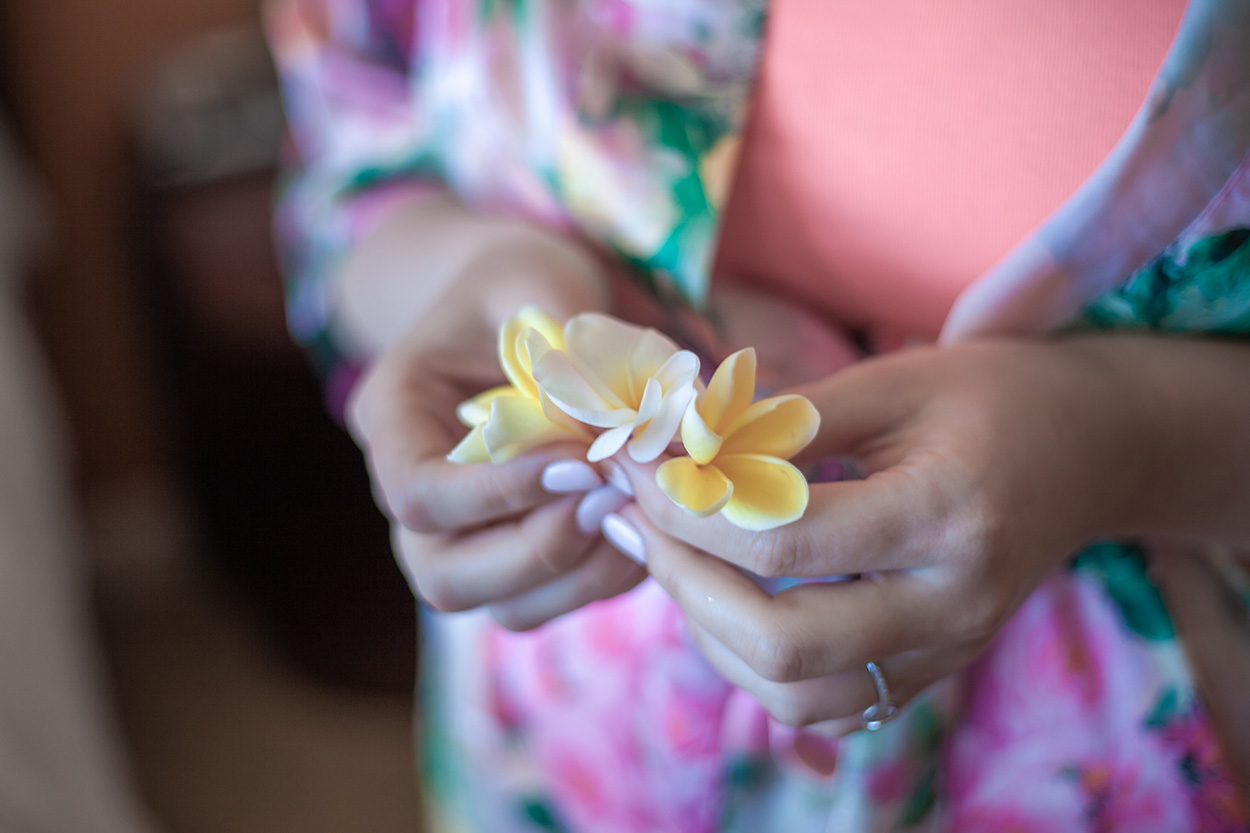
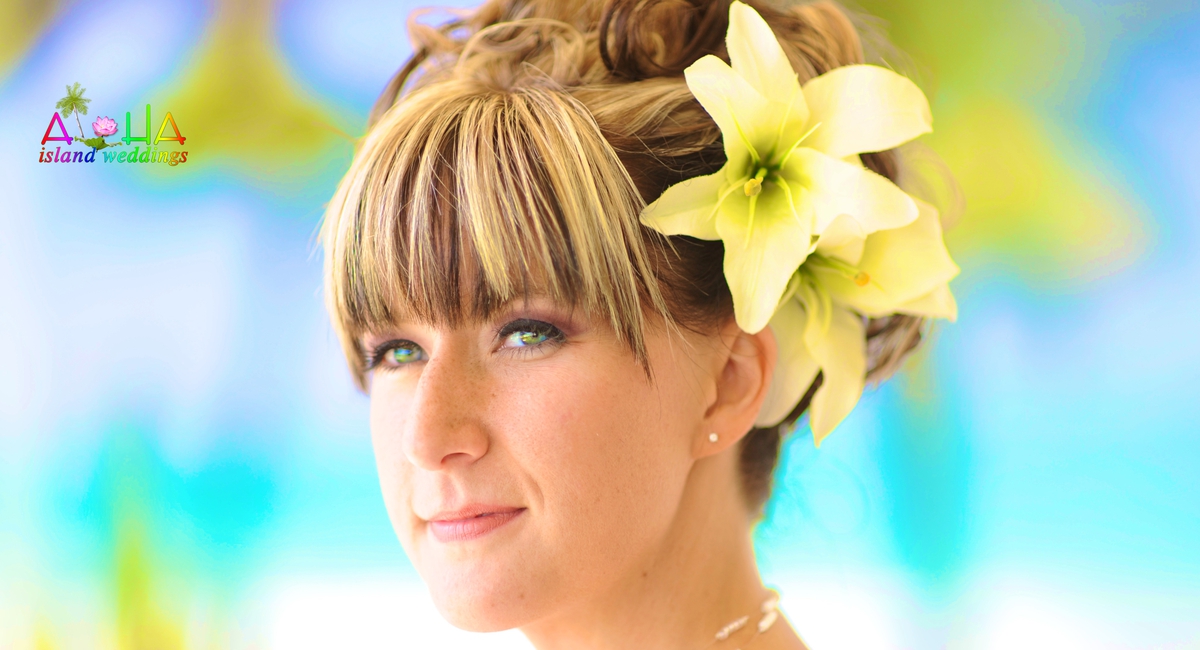
Plumerias add a touch of the islands to every detail of your day. A few fresh blossoms make a beautiful topper for your wedding cake, a single flower tucked behind the ear is a sweet Hawaiian look for the bride, and a plumeria makes a lovely setting for photos of your wedding rings. Flower girls love holding their own little plumeria bouquets too.


Plumeria Flower Prices
Medium globe bouquet $175 · Super large bouquet $275 · with banana leaf surround
Reception table arrangement $85 each · tropical flowers plus plumerias
Altar arrangement $345 each · with plumerias
Plus a $75 delivery fee and 4.712% Hawaii state tax.
Real weddings
Real Weddings with Plumeria
Tap a photo to see the couple’s whole day.
Timeline
- 1700: Tournefort names the genus for Charles Plumier[1]
- About 1860: William Hillebrand brings the first plumeria to Hawaii, a yellow flowered tree[3]
- 1867: the “Frangipani” name story is called a fiction by the perfumer who told it[1]
Questions
How much is a plumeria bouquet?
A medium size globe plumeria bouquet is $175, and a super large bouquet surrounded by banana leaf is $275. Reception table arrangements of tropical flowers plus plumerias are $85 each, and altar arrangements with plumerias are $345 each, plus a $75 delivery fee and 4.712% Hawaii state tax.
What colors do plumeria bouquets come in?
White with a yellow center, yellow, light and dark pink, red, and rainbow blends of orange, pink and yellow. We can mix colors or add orchids, roses, lilies and proteas to match your wedding.
Are plumerias fragrant?
Yes. Plumerias are famous for their sweet fragrance, especially the white flowers with yellow centers. It is the scent many people remember from Hawaii.
Can plumerias be used for more than bouquets?
Yes. We use them for leis, haku leis (flower crowns), boutonnieres, corsages, table arrangements, flower pathways and aisles, flower showers and wedding cakes.
Where are plumeria flowers from?
Plumeria, also called frangipani, grows all over the Hawaiian islands in gardens and yards. The most common kind is Plumeria rubra, from which countless colorful varieties have been grown.
How do we order a plumeria bouquet?
Call us at 808-294-9385 or send us a message with your colors, and we will design your bouquet and leis for your day.
See also
References
- Plumeria. Wikipedia.
- William Hillebrand. Wikipedia.
- Ever Green (1997). Honolulu Star-Bulletin.
- Melia (plumeria). Maui Ocean Center.